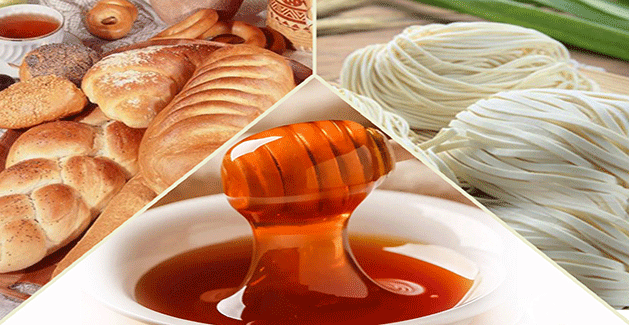
β-amylase, also known as glycosylated amylase, is a highly efficient beta amylase enzyme preparation extracted from soybean by a series of scientific methods, which is mainly used in beer brewing, high malt syrup, crystal maltose and other amylase products. Enzyme beta amylase can also be used for baking products, fresh flour products, etc., which can prolong the shelf life of products.

1. The effective pH value of soybean β-amylase ranges from 4.5 to 7.0
2. The most suitable temperature is 55°C - 70°C.
Types | Appearance | Activity | Gravity | pH |
SBA 80 | Brown liquid | ≥700000 u/ml | 1.05-1.2g/ml | 5.0-7.0 |
SBA 40 | Light brown liquid | (360000-400000)u/g | 1.1-1.3g/ml | 4.8-5.8 |
SBA 20 | Light brown liquid | ≥200000u/g | 1.05-1.2g/ml | 4.5-5.5 |
The best saccharification conditions depend on Saccharification time, pH, temperature, substrate concentration and enzyme dosage. Each factory should add them in proportion according to its own best process conditions. General suggestions are as follows:
1. Brewing of maltose syrup and beer: add dosage 0.1-0.3 liter per ton dry basis, the former is 12-30 hours, and the latter is saccharified for 0.5-1 hours under the optimal conditions.
2. Manufacturing of maltose: for starch (rice), Liquefy with α-amylase and adjust the liquefying liquid to 62 ℃ -65 ℃, pH 5-5.0. Add β-Amylase 0.1-0.3 liter per ton dry basis, saccharification at the same temperature for 8-24 hours, to obtain maltose content of 50%-55%.
3. Manufacturing of high maltose: when manufacturing more than 88% of high maltose, besides β-amylase, Pullulanase and maltose producing enzyme are used. Due to soybeans The pH stability range of β-amylase is wide, it can adapt to the action pH of pullulanase, so it can reduce usage of pullulanase by 25%, and decrease production cost.
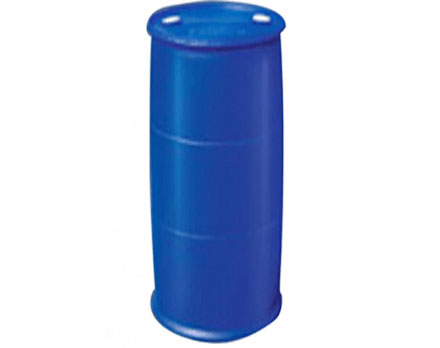
1. Polyethylene food packaging barrel, net weight 25kg/28kg per barrel
2. Composite IBC, net weight 1000kg per barrel.
3. Shelf life: 12 months
Note: This product is in liquid, and is a bioactive substance. Should be stored at 5-20 ° C, avoiding strong light, high temperature, strong acid and strong alkali.