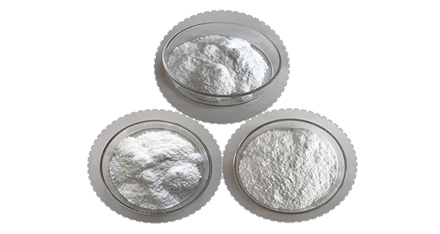
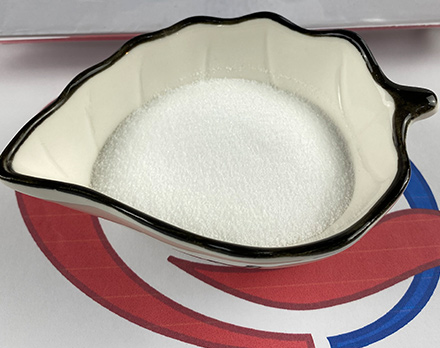
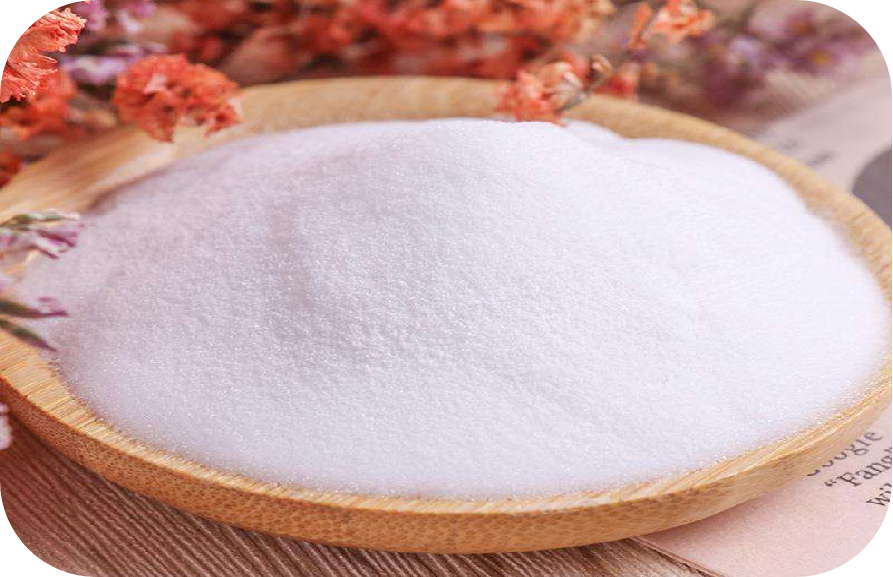
Oligosaccharides(oligose) are a new type of functional sugar source. Normally, functional oligosaccharides are lower in calories and consist of helpful bacteria as they integrate nutrition, health care, and diet therapy so as to play an important role in improving the immune system. They are widely used in food, health products, beverages, medicine, and feed additives, and other fields. For example, oligosaccharide syrup can sweeten and thickens dishes while providing a sticky glaze. Types of oligosaccharides are mainly included: Fructo oligosaccharide, Malt oligosaccharide, Xylo-oligosaccharide, Galacto-oligosaccharide.
One of the benefits of functional oligosaccharides is that they can improve the micro-ecological environment in the human body, which is beneficial to the proliferation of bactericidal and other beneficial bacteria.
Improve Blood Lipid Metabolism
Functional oligosaccharides are similar to water-soluble plant fibers and can improve blood lipid metabolism and reduce the content of cholesterol and triglycerides in the blood.
Non-Increase To Blood Sugar
Do oligosaccharides raise blood sugar? The answer is absolutely negative. Oligosaccharides are dependent on non-insulin, will not increase blood sugar, suitable for people with high blood sugar and diabetes.
FAQs
FAQs of Oligosaccharide
Is oligosaccharide sweet? How much sweetness is there?
Oligosaccharides are about 30% - sweeter than sucrose.
What are the differences and connections between Q2, Fos and inulin?
The degree of polymerization of Fructooligosaccharide is 2-9, and that of inulin is 2-60.
Which probiotics can oligofructose promote proliferation?
It has obvious effect on the proliferation of short bifid, long bifid, infant bifid and adolescent bifid in Bifidobacterium; it has obvious proliferation effect on Lactobacillus acidophilus and Lactobacillus salivarius in Lactobacillus.
We use cookies to optimise and personalise your experience, but you can choose to opt out of non-essential cookies.
To find out more, read our and Cookie Policy.