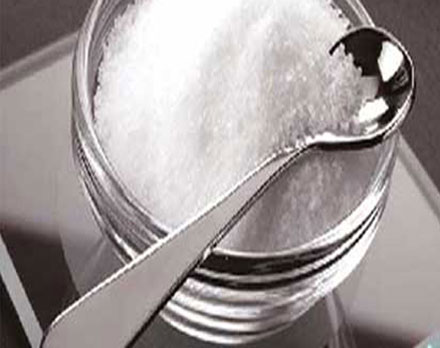

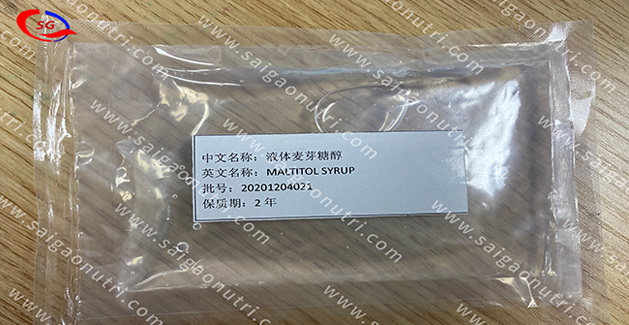
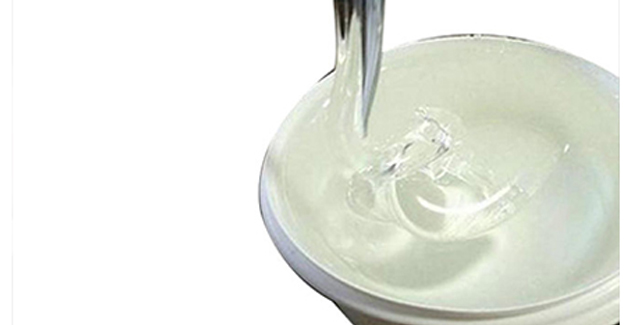
From a maltitol syrup nutrition perspective, maltitol syrup is a carbohydrate that contains calories, similar to sugar. The body does not absorb all the calories in maltitol, but it still provides about 2 to 3 calories per gram, compared to four calories per gram of sugar. Since maltitol syrup is a carbohydrate and has calories, it also affects blood glucose. Maltitol syrup has a glycemic index of 52, which approaches that of table sugar at 60. The glycemic index is a measure of the effects of food on raising your blood glucose level. The powdered form has a glycemic index of 35, which is still higher than most other sugar alcohols and higher than all artificial sweeteners.
| Product name | Maltitol syrup |
| Appearance | Colorless viscous liquid |
| Maltitol content(on dry basis, ),w/ % | ≥50% |
| Sorbitol (on dry basis), w% | ≤8.0 |
| Water,w/% | ≤32.0 |
| Ignition residual, w% | ≤0.1 |
| Reduction sugar(glucose),w/% | ≤0.3 |
| Sulfate(SO4)(mg/kg) | ≤100 |
| Chlorde(Cl)(mg/kg) | ≤50 |
| Ni(mg/kg) | ≤ 2.0 |
| Arsenic (As), mg/kg | ≤0.5 |
| Total Plate Count (CFU/g) | ≤1000 |
| Total Coliform (MPN/100g) | ≤30 |
| Mold and Yeast(CFU/g) | ≤25 |
1. Store the liquid maltitol in dry and cool condition, and keep it away from material with odor or volatilization.
2. Protect the maltitol syrup from water and wet.
3. Use the maltitol syrup within 12 months from the manufacturing date.
4. 25 kg/bag for maltitol crystals, 70 kg/drum for maltitol liquids, and can also be packaged according to user needs.