Polydextrose

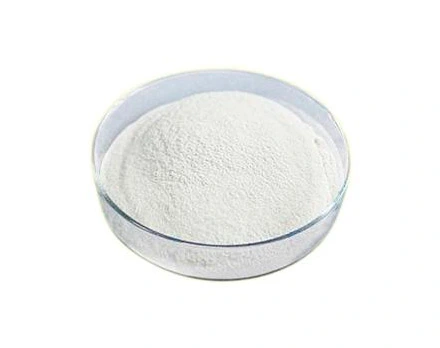
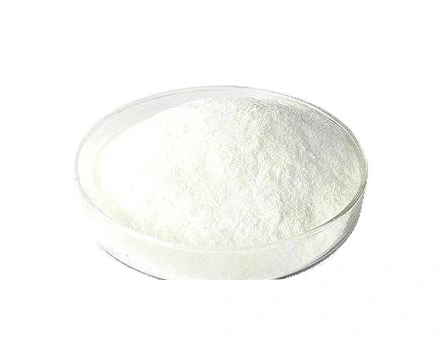
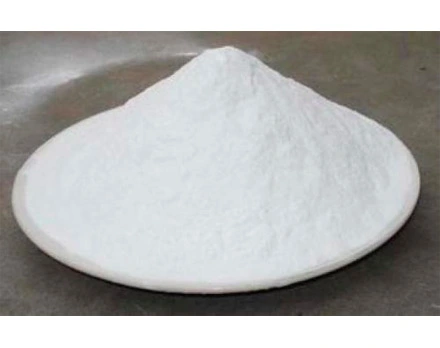
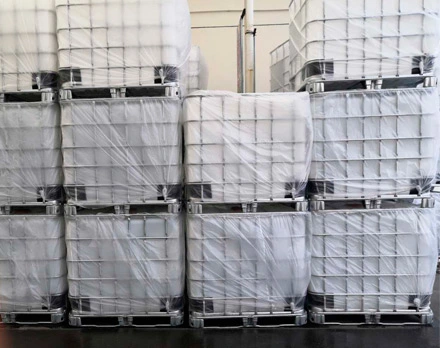
Polydextrose is a kind of soluble dietary fiber, forms of which can be polyglucose powder, polydextrose syrup. Compared with insoluble dietary fiber, polydextrose fiber has more health function and processing advantage. Except the distinct functions with increase stool volume, enhance defecation, reduce intestinal cancer risk of insoluble dietary fiber, polydextrose soluble fiber also has the function of significantly decrease serum bile when combined with the remove of bile acids, more easily to lead to a sense of fullness, significantly reduce postprandial blood glucose levels and so on. For its characters of low calorie, stabilization, and extremely high tolerance, this kind of water-soluble dietary fiber is widely used in all kinds of food.


CAS:68424 04 4

Get in Touch
Details

Is Polydextrose An Artificial Sweetener?

Polydextrose is not used as a sweetener and artificial sweeteners often means high-intensity sweeteners. Polydextrose is different from general sucrose and polydextrose soluble fiber does not contain a lot of sugar, even if consumed in large quantities it will not cause sugar accumulation in the body.


Is Polydextrose A Prebiotic?

Polyglucose powder, polydextrose syrup is a kind of healthy low-calorie sweetener dietary fiber, which can replace sugar, thicken, retain water, resist starch aging, increase dietary fiber content and other functions. Application fields of polydextrose sweetener include various food, beverage, medicine and chemical industry, etc.

Is Polydextrose Made From Corn?

Polydextrose sugar is synthesized from glucose and contains sorbitol and citric acid. Glucose, sorbitol, and citric acid are all components of corn.

Contact Saigao Nutri
News & Insights
News & Insights – Trends in Functional Nutrition & Ingredients
Stay updated with the latest company news, industry trends and innovations in functional sugar, gut health and nutrition science.
We use cookies to optimise and personalise your experience, but you can choose to opt out of non-essential cookies.
To find out more, read our and Cookie Policy.
Reject All
Accept All