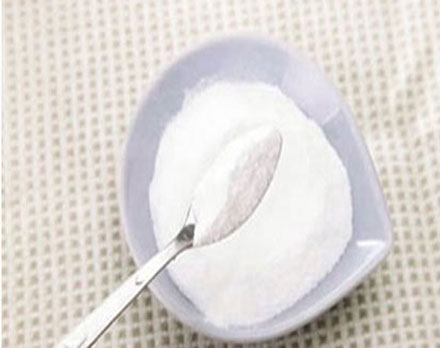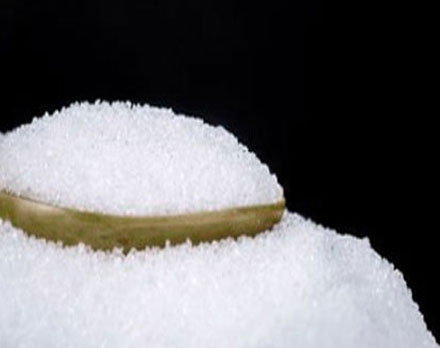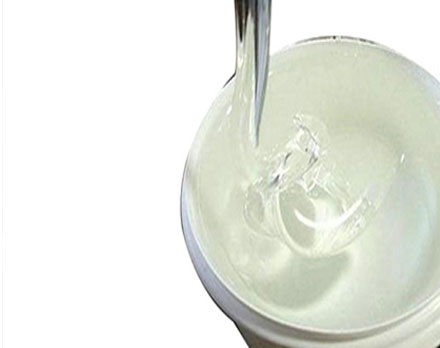
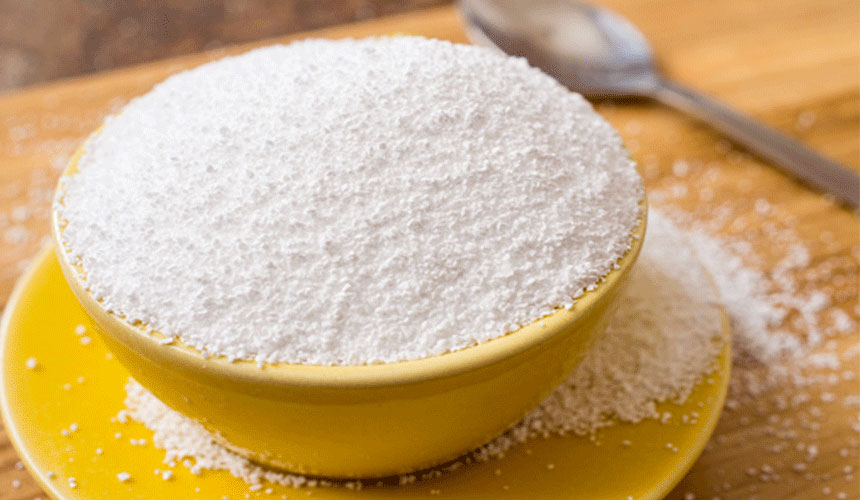
Sorbitol alias D-Glucitol, Sorbol and D-Sorbitol. The molecular formula is C6H14O6, which is the main photosynthesis product of Rosaceae plants. It is white hygroscopic powder or crystalline powder, flakes or granules, odorless. Depending on the crystallization conditions, the melting point varies from 88 to 102°C, and the relative density is about 1.49. It is easily soluble in water (1g can be dissolved in about 0.45mL water), slightly soluble in ethanol and acetic acid. It has a refreshing sweetness, the sweetness is about half of that of sucrose, and its calorific value is similar to that of sucrose. It will not cause dental caries when used as a sweetener.

Sorbitol is a type of carbohydrate called sugar alcohol, or polyol, which are water-soluble compounds that occur naturally in many fruits and vegetables. Sorbitol is also commercially produced from glucose for use in packaged foods and beverages to provide sweetness, texture and moisture retention. Sorbitol's safety has been reviewed and confirmed by health authorities around the world, including the World Health Organization, the European Union, and the countries Australia, Canada, and Japan. The U.S. Food and Drug Administration (FDA) also recognizes sorbitol as safe. While the safety of sorbitol and other sugar alcohols is well-documented, some sugar alcohols, when eaten in excessive amounts, can cause gastrointestinal discomfort, including gas, bloating, and diarrhea. As a result, foods that contain the sugar alcohols sorbitol or mannitol must include a warning on their label about potential laxative effects.
Most sorbitol is made from corn syrup, but it is also found in apples, pears, peaches, and prunes. It is synthesized by sorbitol-6-phosphate dehydrogenase, and converted to fructose by succinate dehydrogenase and sorbitol dehydrogenase. Succinate dehydrogenase is an enzyme complex that participates in the citric acid cycle. As a sorbitol syrup and sorbitol powder supplier, we can provide the sorbitol solution for you.
Sorbitol can be used as a raw material for the production of vitamin C. Sorbitol can be produced by fermentation and chemical synthesis. It can also be used as a raw material for industrial surfactants to produce Span and Tween surfactants. Sorbitol has moisturizing properties and can be used in the production of toothpaste, cigarettes, and cosmetics instead of glycerin. Using sorbitol and propylene oxide as raw materials, rigid polyurethane foams with certain flame retardant properties can be produced. In the food industry, it can be used as a sweetener, moisturizer, chelating agent and tissue modifier. In the pharmaceutical industry, sorbitol esters produced by nitration of sorbitol are drugs for the treatment of coronary heart disease. Food additives, cosmetic raw materials, organic synthetic raw materials, humectants, solvents, etc.
Synthetic resins and plastics, separate and analyze low-boiling oxygen-containing compounds, etc. sSorbitol powder is also widely used as a gas chromatography stationary liquid, thickener, hardener, insecticide, etc.
Used as a gas chromatography stationary liquid for the separation and analysis of low-boiling oxygen-containing compounds, amine compounds, nitrogen or oxygen heterocyclic compounds. Also used in organic synthesis.
Used as a moisture regulator for toothpaste, cosmetics, and tobacco. Sorbitol powder is a substitute for glycerin, its moisture retention is milder than that of glycerin, and its taste is better. It can be used in combination with other moisturizers to achieve synergistic effects. It is also used in the pharmaceutical industry as a raw material for the manufacture of vitamin C.
Diuretic dehydrating agent. It is used for the treatment of cerebral edema and increased intracranial pressure, the treatment of increased intraocular pressure for glaucoma, and also used for edema and oliguria with normal heart and kidney function.
Aquatic water retention agent. The ratio of sucrose 2.1% + sorbitol 3.15% + complex phosphate 1.00% can effectively reduce the water activity of dried fish fillets and increase the activity of Ca-ATPase.