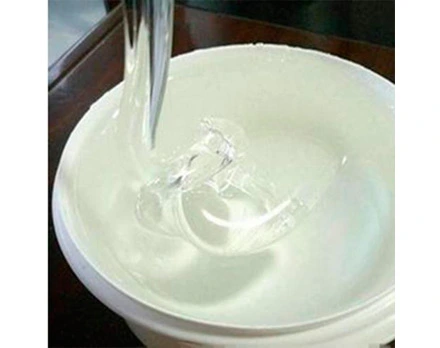
Allulose is an isomer of fructose, a monosaccharide that exists in nature but has very little content. Its sweetness is similar to that of sucrose, but its calories are much lower than that of sucrose. Compared with D-glucose and D-fructose, allulose produced by allulose manufacturers also has a stronger ability to scavenge active oxygen.
Because allulose for sale is scarce in nature, it is not suitable for chemical synthesis and industrial production. The chemical synthesis will produce more by-products, and it is of high cost and will cause large pollution. The general preparation method is biosynthesis from glucose, and the resulting product is relatively single and belongs to natural products, which also meet the needs of consumers. Allulose was approved by the United States as a GRAS (American Additive Safety Index) substance in 2011.
Allulose provided by allulose suppliers has a soft and delicate taste. The initial stimulation speed to the taste buds is slightly faster than that of sucrose. It has no bad taste during and after consumption. Its sweetness does not change with temperature, and it can show pure sweetness at various temperatures. Generally speaking, people have a certain tolerance to the intake of various sugar alcohols, otherwise, there will be different degrees of diarrhea-assisting effects, but this situation will not occur with psicose.
The structure and properties of psicose are extremely stable, with strong chemical inertness, and can maintain their original state under acidic or alkaline conditions. For example, psicose was mixed with citric acid, and no inverted sugar was found to be produced after 30 days of heat preservation, which proved that it cannot be decomposed by organic acids or vitamins.