
Sugar does more than sweeten – it provides bulk, texture, browning, and moisture retention. Removing sugar leaves a formulation “empty.” Our soluble dietary fibers fill that gap naturally.
Resistant dextrin (from tapioca or corn): A clean-tasting, low-viscosity fiber that dissolves clear. Replaces sugar’s body in beverages, dairy drinks, and liquid nutritional products. Adds no off-notes – just a smooth mouthfeel.
Polydextrose: A low-calorie (1 kcal/g) bulking agent ideal for baked goods, confectionery, and frozen desserts. It mimics sugar’s freezing point depression and improves crumb structure.
Inulin (from chicory root): Creamy mouthfeel and fat-like texture. Perfect for low-sugar yogurts, puddings, and chocolate spreads. Also provides prebiotic fiber – a label-friendly bonus.
These fibers are produced via enzymatic or fermentation processes with no chemical modifiers. They are heat-stable and compatible with high-intensity sweeteners (stevia, monk fruit, sucralose).
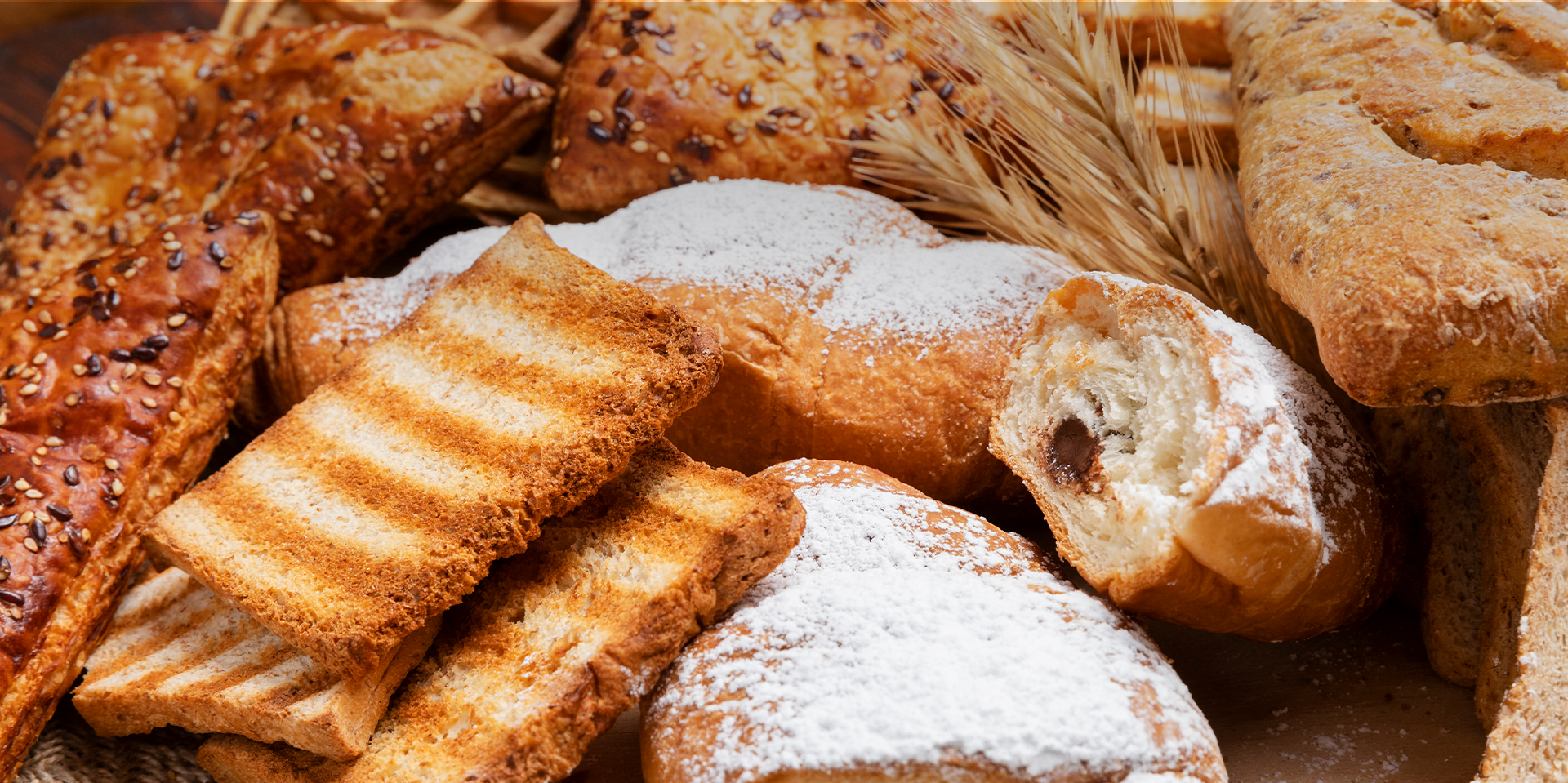
Derived from non-GMO corn or tapioca starch, maltitol provides 90% of sugar’s sweetness with a clean, sugar-like profile – no bitterness or cooling effect. Unlike other sugar alcohols, it offers:
Same bulk density as sugar – easy drop-in replacement
No crystallization issues in chocolate or confectionery
Low glycemic impact (GI = 35) for diabetic-friendly products
Use in sugar-free cookies, cakes, chocolate bars, chewing gum, and oral care products.
These short-chain fibers provide 30–60% the sweetness of sugar with a smooth, rounded taste. They work synergistically with high-intensity sweeteners to mask off-notes (bitterness, licorice aftertaste). Additionally, they add fermentable fiber – turning a sugar-reduced product into a gut-health functional food.


Yes, for many applications. Maltitol alone can replace sugar 1:1 by weight in confectionery, baked goods, and chocolate – delivering equivalent sweetness and bulk. For beverages, a blend of resistant dextrin (for body) + stevia (for sweetness) works best. Our technical team provides reformulation guidance.
Most of our sugar reduction ingredients are soluble fibers or sugar alcohols. While they are generally well-tolerated, excessive consumption may cause bloating or gas in sensitive individuals. We recommend starting with partial sugar replacement (e.g., 30–50%) and testing consumer tolerance. For products labeled as “high fiber” or “sugar-free,” we provide typical usage level guidelines and digestive comfort data.
Yes. Our resistant dextrin, polydextrose, inulin, and oligosaccharides are produced via enzymatic or fermentation processes – no chemical synthesis. Maltitol is hydrogenated from plant starch, and we disclose the catalyst removal method. All products are available with Non-GMO Project Verified and Organic certifications. No artificial carriers or anti-caking agents unless requested.
Contact our formulation support team via the website. Provide your target application (e.g., sugar-reduced cookies, low-calorie beverage, sugar-free chocolate), current sugar percentage, and desired final sweetness level. We will send you:
Application-specific sample kits
Suggested blend ratios
Benchmark data against full-sugar controls
Pilot batches as small as 5 kg are available for testing.