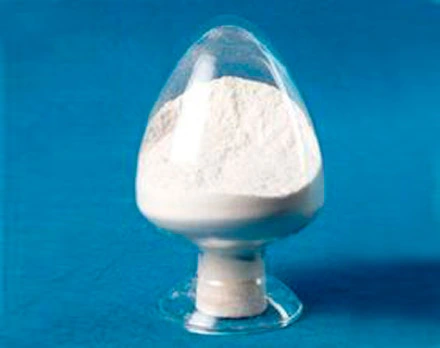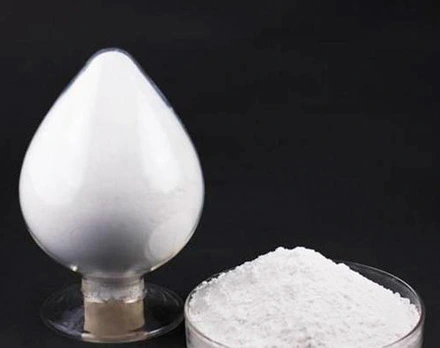
Resistant Dextrin (Tapioca) is processed from starch. The process is roughly to first decompose starch into dextrin at high temperature, and then form some digestion-resistant glycosidic bonds during the re-polymerization process, thereby producing soluble tapioca fiber. Then through separation, purification and refining, high-purity Resistant Dextrin (Tapioca) products are obtained, which are soluble dietary fibers. Resistant Dextrin (Tapioca) has low calories (0.5kal/g~1.4kal/g), is heat-resistant, acid-resistant, pressure-resistant, and freeze-resistant, is easy to store, and will not change the final quality of the product when added as dietary fiber to food. So it is added to many foods.



Resistant Dextrin Syrup (Tapioca) can change the secretion of digestive tract hormones and the activity of digestive enzymes in the intestine, inhibit the digestion and absorption of sugar, thereby lowering blood sugar. It won't affect people's ketosis and blood sugar.
Long-term and stable intake of Resistant Dextrin (Tapioca) can fully unleash the biological functions of beneficial intestinal bacteria such as lactobacilli and bifidobacteria.
Resistant Dextrin (Tapioca) can also absorb bile acids, fats, etc. to reduce their absorption rate, which can lower blood lipids and improve lipid metabolism in patients with various types of hyperlipidemia.
Resistant Dextrin Syrup (Tapioca) can also reduce hunger, lose weight, and prevent dental caries.
Product name | Resistant Dextrin Syrup (Tapioca) |
Appearance | From brown yellow to light yellow syrup |
Taste | With an inherent smell, no odor |
Total fiber content, % | ≥70.0 |
Dry matter(Solid Substance), % | 75.0-75.4 |
Ash, % | ≤0.5 |
Water Activity | <0.8650 |
pH | 3.5-5.5 |
Sugar, % | <2.0 |
Lead (Pb), mg/kg | ≤0.5 |
Arsenic (As), mg/kg | ≤0.5 |
Total Plate Count, CFU/g | ≤1000 |
Total Coliform, MPN/100g | ≤30 |
Mold, CFU/g | ≤25 |
Yeast, CFU/g | ≤25 |
Resistant Dextrin (Tapioca) has a wide range of applications and can be a food additive. Its main functions are to improve taste, supplement nutrition, promote digestion, etc. It can also be found in some health products, especially weight loss products, where it is almost always found.