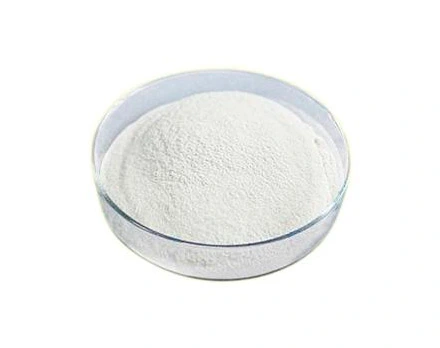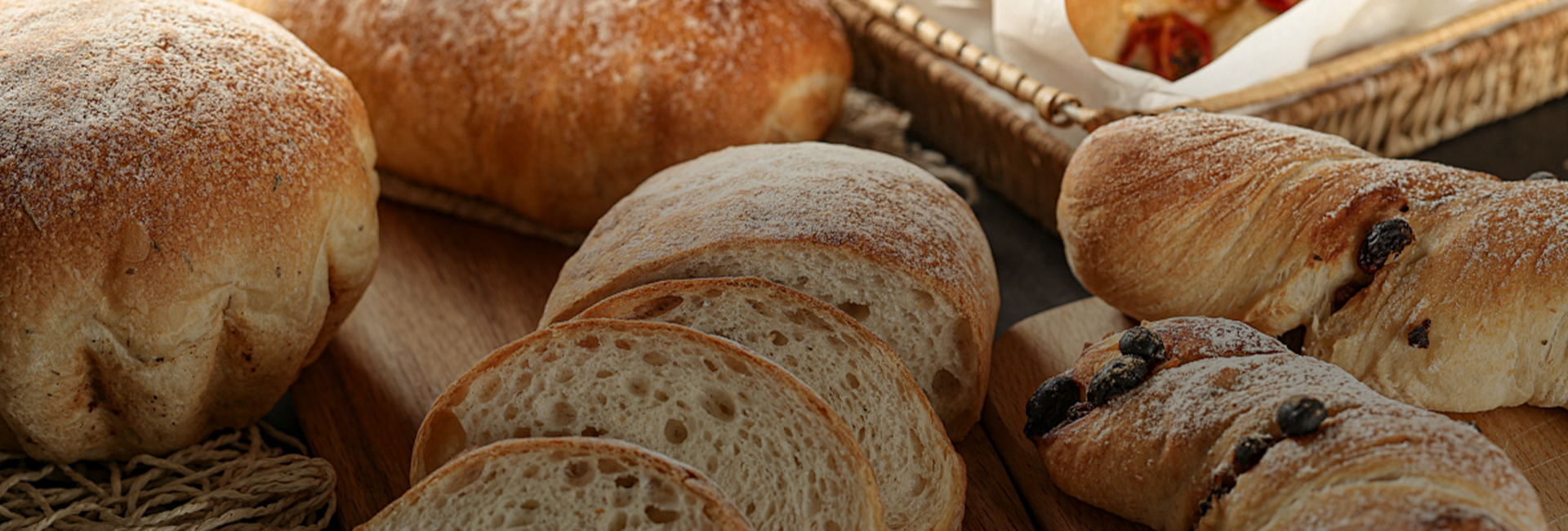

A true prebiotic must resist digestion in the upper GI tract and be fermented by beneficial colonic bacteria. Our portfolio covers the full spectrum of prebiotic activity.
FOS (Fructo‑oligosaccharides): Short‑chain prebiotic that rapidly ferments in the proximal colon, stimulating Bifidobacteria and Lactobacilli. Ideal for low‑dosage gut‑health shots, yogurts, and powdered supplements.
GOS (Galacto‑oligosaccharides): Mimics human milk oligosaccharides. Gentle fermentation profile, well‑tolerated even in sensitive populations. Excellent for infant formula and adult digestive health products.
XOS (Xylo‑oligosaccharides): Highly selective for Bifidobacteria with a low effective dose (1–2 g/day). Heat and acid stable – perfect for baked goods, bars, and acidic beverages.
IMO (Isomalto‑oligosaccharides): Slow‑fermenting, extends prebiotic activity throughout the colon. Provides a mild sweetness and low viscosity.
All are produced via controlled enzymatic hydrolysis from plant sources (sucrose, lactose, corn cob, starch). We provide batch‑specific prebiotic activity assays (e.g., changes in short‑chain fatty acid production).
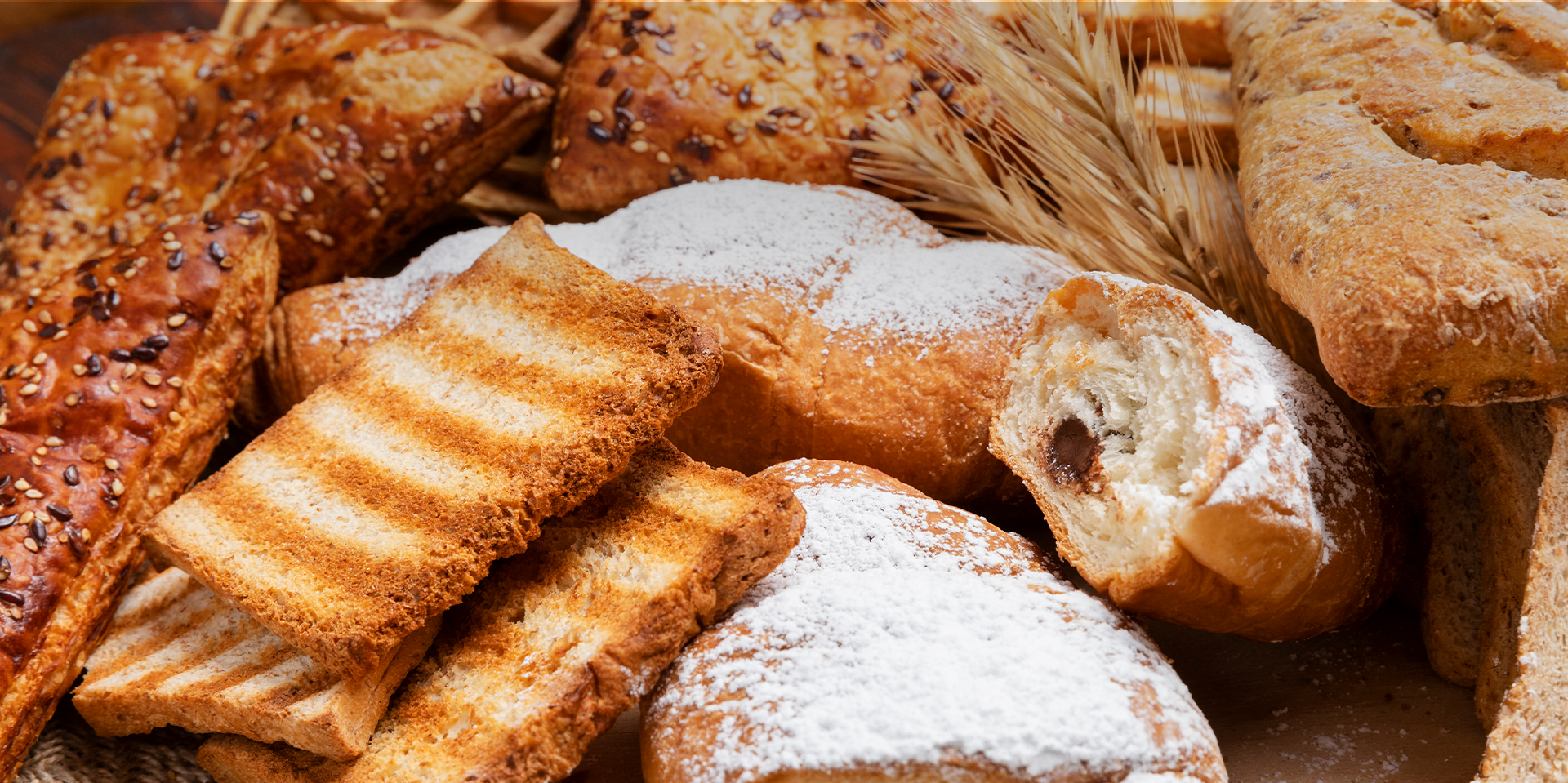
Beyond prebiotic oligosaccharides, our soluble fibers offer additional digestive health benefits – including stool bulking, regularity, and blood glucose modulation.
Resistant Dextrin: A low‑viscosity, highly soluble fiber that resists upper digestion. It is fermented slowly, producing butyrate – a short‑chain fatty acid linked to gut barrier health. Use in clear beverages, meal replacements, and functional waters.
Inulin (from chicory root): Long‑chain inulin provides a creamy mouthfeel and prebiotic effect with minimal gas compared to short‑chain fructans. Supports calcium absorption and regular bowel movements.
Polydextrose: A low‑calorie (1 kcal/g) bulking fiber that improves stool frequency and softness. Thermally stable for baked goods and extruded cereals.
We also offer custom synbiotic blends – pairing our prebiotic fibers with probiotic strains (formulation only; we do not supply probiotics directly, but can recommend compatible strains).


Our FOS, GOS, XOS, inulin, and resistant dextrin have published human clinical trials demonstrating prebiotic effects (increased Bifidobacteria, increased SCFAs). Polydextrose and IMO also show prebiotic activity in vitro and in vivo. We provide literature summaries and study references upon request.
Typical effective doses:
FOS / GOS / XOS: 2–5 g per serving
Inulin: 5–10 g per serving
Resistant dextrin: 8–15 g per serving
Polydextrose: 8–12 g per serving
Lower doses (1–2 g) can still provide mild prebiotic effects. We help you formulate to meet label claims (e.g., “source of fiber” vs. “high fiber”) while managing digestive tolerance.
Some individuals with IBS or SIBO may react to rapidly fermented prebiotics (e.g., FOS, inulin). For sensitive populations, we recommend XOS (low FODMAP certified) or resistant dextrin (slow fermentation, well‑tolerated). We provide FODMAP analysis for each batch to help you target specific consumer segments.
Yes, provided you meet regulatory requirements in your target market (FDA, EFSA, CFDA, etc.). Our technical team can supply scientific dossiers, clinical study summaries, and draft claim language. For EU markets, we help structure Article 13.5 health claim submissions. Always confirm with your legal team, but our documentation gives you a strong foundation.