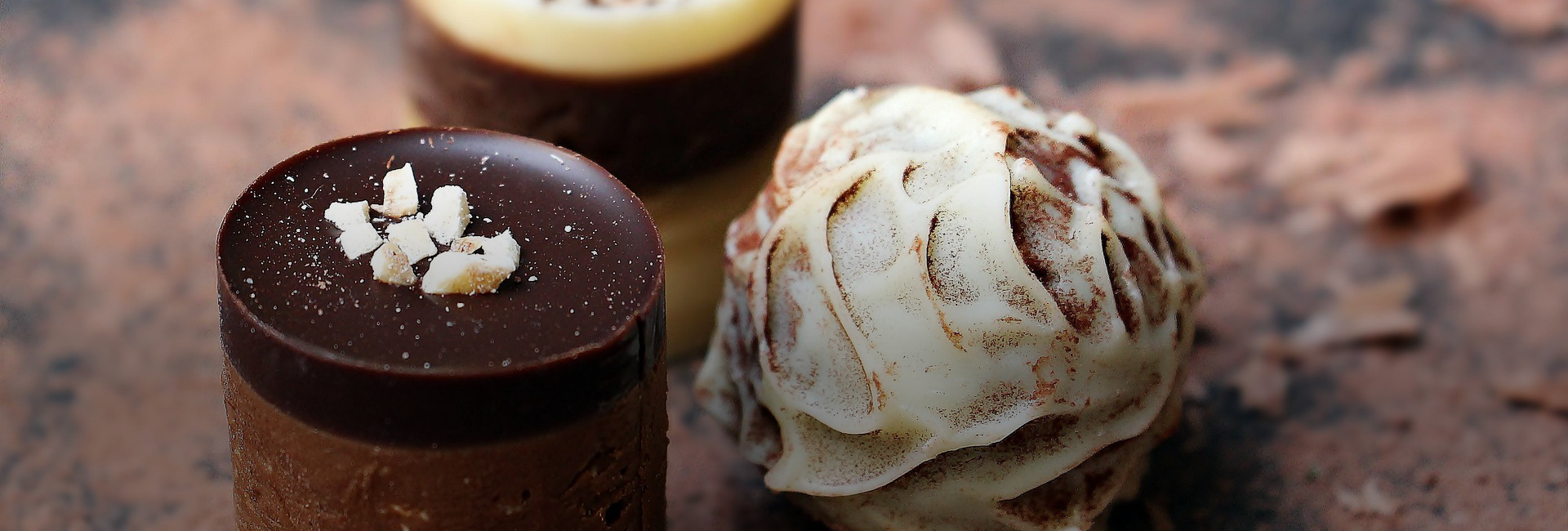

Removing sugar from chocolate is notoriously difficult – sugar provides structure, crystallization, and snap. Maltitol solves this.
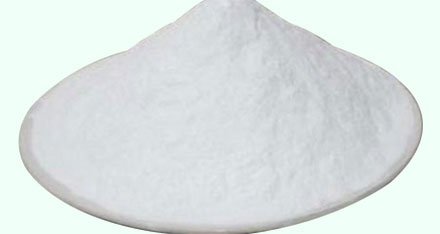
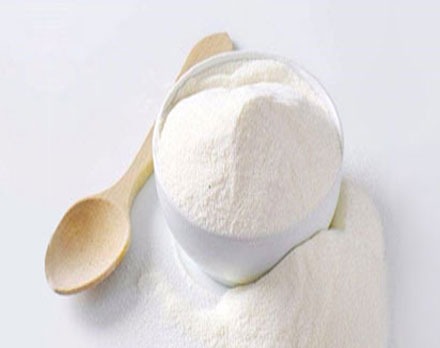
Maltitol (powder and liquid): The gold standard for sugar‑free chocolate. It mimics sucrose’s solubility, crystallization behavior, and mouthfeel. Use it in:
Dark, milk, and white chocolate bars
Praline fillings and truffles
Chocolate coatings for biscuits, nuts, and ice cream
Compound coatings for enrobing
Benefits over other polyols: Unlike erythritol (cooling effect, crystallization), sorbitol (hygroscopic, sticky), or xylitol (laxative threshold), maltitol delivers a clean, sugar‑like profile with excellent processing tolerance.
Polydextrose (for bulk): Add to chocolate spreads or fillings to reduce calorie density (1 kcal/g vs. maltitol’s 2.1 kcal/g) while maintaining creaminess.
Processing tip: Maltitol requires no change to your tempering process. We provide detailed tempering curves for chocolate formulations.
Claim support: Sugar‑free, low glycemic (GI = 35), tooth‑friendly (non‑cariogenic).
Beyond sugar replacement, confectionery can deliver real health benefits – without compromising taste or texture.
Resistant Dextrin: A clear, soluble fiber that adds prebiotic fiber to gummies, fruit chews, and hard candies. No off‑taste, no crystallization, no stickiness. Ideal for “fiber gummies” and digestive health supplements.
Inulin (short‑chain): Provides a smooth, creamy texture in soft chews and caramels. Also adds prebiotic fiber and helps mask mineral off‑notes in fortified candies.
Oligosaccharides – FOS, GOS, XOS, IMO: Gentle sweetness (30–60% of sugar) plus prebiotic activity. Use them in:
Gut‑health gummy bears
Immunity chews (paired with vitamin C or zinc)
Low‑sugar mints and lozenges
Maltitol in hard candies: Produces a clear, glassy hard candy with excellent stability (no moisture pick‑up). Unlike isomalt, it dissolves smoothly without grittiness.
Synergy strategy: Combine maltitol (bulk + sweetness) with resistant dextrin (fiber claim) and FOS (prebiotic) for a sugar‑free, high‑fiber, gut‑health gummy. Our R&D team can help balance sweetness, texture, and digestive tolerance.


At typical consumption levels (30–50 g per serving), maltitol is well tolerated by most consumers. The laxative threshold varies by individual but is generally above 50 g/day. We recommend including a sensible serving size statement (e.g., “excessive consumption may cause laxative effects”) – standard practice for sugar‑free confectionery. For sensitive populations, blending maltitol with polydextrose or resistant dextrin can improve tolerance.
Yes. Resistant dextrin and polydextrose can replace part of the gelatin or pectin in vegan gummies. They provide chewy texture and moisture retention. For a fully plant‑based gummy, combine resistant dextrin with pectin and maltitol. We offer prototype formulations for vegan gummy bears under NDA.
Resistant dextrin and polydextrose are low‑hygroscopic – they do not absorb moisture from the air. Hard candies made with maltitol + resistant dextrin remain stable at 50–60% relative humidity for 12+ months. Inulin is slightly more hygroscopic; we recommend it for soft chews or chocolates, not hard candies. We provide water activity (Aw) stability data for each application.
Yes. Maltitol is derived from non‑GMO corn or tapioca starch via hydrogenation – a widely accepted process. Our fibers and oligosaccharides are produced via enzymatic or fermentation processes. We offer:
Non‑GMO Project Verified (select products)
Organic (ECOCERT) – available for inulin and select oligosaccharides
Kosher (OU) and Halal (IFANCA) – standard for all products
No artificial carriers, anti‑caking agents, or preservatives unless requested
Your final product can carry clean‑label, sugar‑free, and high‑fiber claims with confidence.