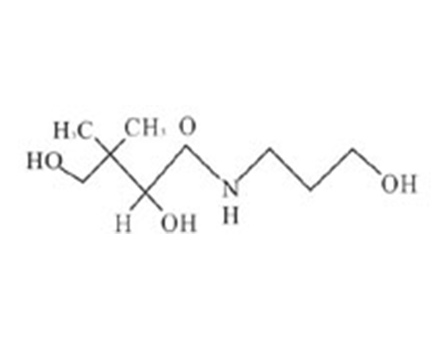
Isomalt is a mixture of α-D-glucopyranosyl-1,4-D-sorbitol obtained after hydrogenation. Due to structural changes, isomalt has completely different physiological properties from sucrose, and many studies have shown that it has positive significance in maintaining physical health.
Obesity has been recognized as a risk factor for many chronic diseases in the world. Overweight and obesity have become serious public health problems in Western developed countries. Research shows that this situation may be closely related to the fact that the carbohydrates in the food of these industrialized countries mainly come from some refined, high-GI foods that can be absorbed quickly. Because high GI foods can cause large fluctuations in blood sugar and insulin, blood sugar will drop quickly after a rapid increase. The feeling of fullness lasts for a short time, which can easily cause hunger and prompt eating again. This can easily lead to overnutrition in the long run, leading to overweight and obesity.
A study conducted on obese adolescents found that compared with eating low-GI and medium-GI breakfasts, subjects' energy intake increased by 81% and 53% after 5 hours of eating high-GI breakfast, respectively. Because low-GI foods contain indigestible carbohydrates, they are digested and absorbed slowly in the gastrointestinal tract, causing blood sugar and insulin to fluctuate relatively gently and maintain them at moderate levels, avoiding excessively low blood sugar levels and prolonging the feeling of satiety. The energy value of isomalt is 8KJ/g, which is half that of most carbohydrates. This low energy value and low blood sugar and insulin production properties make it beneficial for weight control.
A large number of epidemiological studies have shown that a low GI diet can reduce the incidence of coronary heart disease. A cohort study of 75,521 women followed for 10 years found that, after controlling for known and suspected risk factors, a low-GI diet reduced the incidence of coronary heart disease. Compared with a high-GI diet, a low-GI diet can reduce serum total cholesterol, low-density lipoprotein cholesterol, and triglyceride concentrations in diabetic patients with hyperlipidemia by 19.3%, 8.8%, and 9.1%, respectively. For non-diabetics, a low GI diet can also be of great benefit. Non-diabetic male volunteers used high GI and low GI meals for 5 weeks for self-control. Results: Using a low-GI diet reduced triglyceride and cholesterol levels, reduced total adipose tissue, and increased lean body composition while maintaining total body weight. Cross-sectional studies have shown that there is a negative correlation between GI and high-density lipoprotein cholesterol levels. The hypoglycemic response properties of isomalt are beneficial to delaying the occurrence of cardiovascular disease in diabetic patients.
Blood sugar levels rise relatively slowly, and more are fermented in the colon to produce short-chain fatty acids, which are beneficial to maintaining an acidic intestinal environment, providing synthetic substrates and a rich source of energy for intestinal probiotics, and promoting rapid proliferation of probiotics. At the same time, short-chain fatty acids can prevent cell growth, promote cell differentiation, and promote apoptosis of cells with DNA damage. After isomalt enters the human body, a large part of it is decomposed by intestinal flora, producing a large amount of short-chain fatty acids such as butyric acid, which is very beneficial for removing harmful substances from the intestines and preventing the occurrence of colon cancer.
Facts have proven that as a sucrose substitute, isomalt’s prebiotic, low-energy, low-glycemic, and insulin-responsive properties have positive significance in improving the health care quality of food and preventing the occurrence and development of chronic diseases!