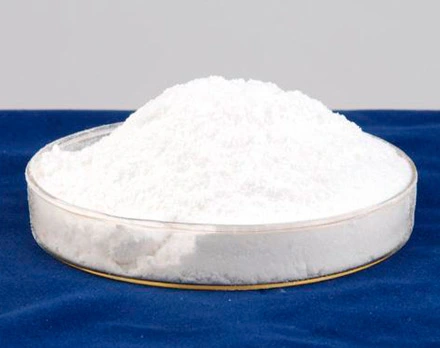
In recent years, the concept of low-sugar and healthy food has rapidly promoted the development of sugar substitute raw materials. There is a natural sugar substitute in nature. The content is extremely rare, but it has very broad market application prospects. However, it has not yet been approved in China. Most companies are exporting production. This sugar substitute is allulose.
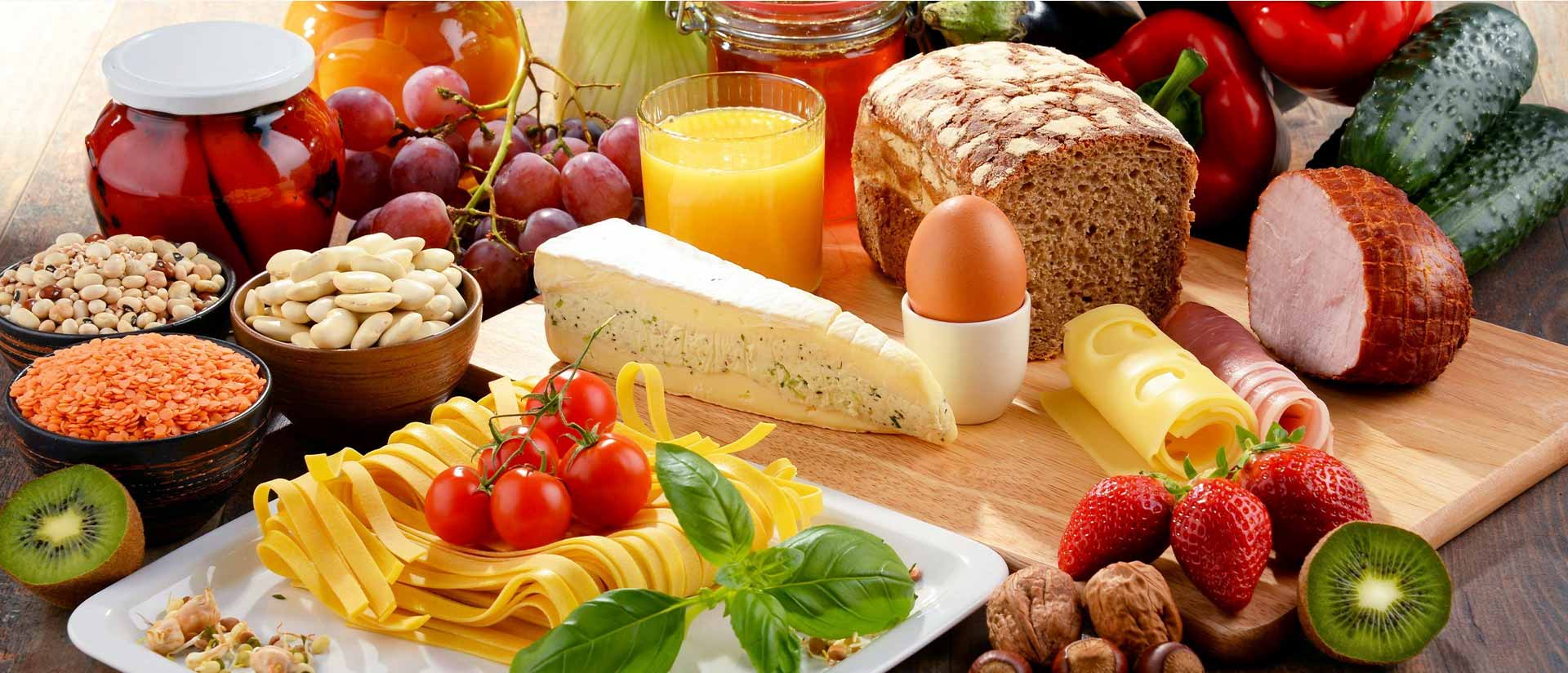
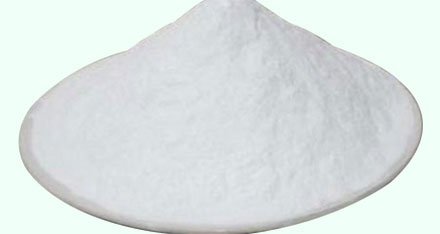
Allulose is a natural ingredient found in fruits and foods such as raisins, figs, kiwis and brown sugar. It is a white powder and its aqueous solution is a transparent colorless liquid, stable at room temperature and pressure. Allulose is the C-3 epimer of D-fructose. It is a rare monosaccharide that occurs naturally in nature but in very small amounts. Its sweetness and taste are quite similar or close to sucrose, but its caloric content is lower than sucrose. It has similar characteristics to sucrose, such as volumetric effect, Maillard reaction and taste, etc. It can improve the flavor and appearance of food to a certain extent and extend the shelf life of food.
Allulose is metabolized differently than sucrose. Studies have shown that after ingestion, allulose will be partially absorbed by the digestive system, but will hardly be metabolized, and will eventually be excreted through urine. The rest of the allulose is excreted directly in the feces.
After the US FDA certified the safety of allulose and allowed D-psicose to be used as a dietary additive and some food ingredients, allulose has obtained regulatory permission from 13 countries including Japan, South Korea, Canada, Australia and New Zealand.
In China, there is no basis for the use of allulose in food. However, in August 2021, the National Health Commission has accepted the application for D-psicose as a new food raw material. Food-grade application of allulose in China will be expected to be approved this year or next year.
A professor surveyed 100 participants and rated the overall liking and taste liking of four different yogurt samples added with sucrose, allulose, sucralose and stevia. Overall liking data showed that sucrose (7.07±0.14) ranked highest, followed by allulose (6.93±0.14), sucralose (6.78±0.16) and stevia (5.98±0.17).
The data on taste preference showed that allulose (6.98±0.13) ranked highest, followed by sucrose (6.95±0.13), sucralose (6.77±0.16), and stevia (5.81±0.13).
In the initial ratings of purchase intention, all sweeteners except stevia performed well and were very consistent with the overall preference score. The willingness to purchase yogurt with sucrose, sucralose, and allulose was 61%, 40%, and 60%, respectively.
When concept labels such as sugar, calories, and health are added, the purchase intention of yogurt sweetened with allulose and stevia increases, while the purchase intention of yogurt sweetened with sucrose and sucralose decreases. Therefore, as a sustainably produced natural sweetener, allulose has great commercial value in the market.
In Drinks.
In recent years, PepsiCo has added D-psicose and other non-nutritive sweeteners to zero-calorie or low-calorie frozen drinks. The products have a similar taste and sweetness to full-calorie frozen drinks.
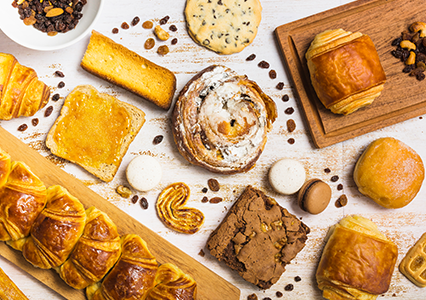
With allulose, you can create perfectly sweet, caramel-flavored, moist, brown low-sugar and low-calorie baked goods. In some baked goods, this effect may be more pronounced than adding sucrose, because under the same baking time and temperature conditions, allulose browns to a greater extent than sucrose and glucose, and it is more similar to fructose.
The lower crystallization rate of allulose enables the manufacture of confectionery products with desired textural characteristics. When used at a 25% level (on a dry basis), allulose contains 55% less sugar and 30% fewer calories, with a consistency and elasticity comparable to full-sugar gummies. No significant deformation was observed when these candies absorbed moisture under conditions of increasing relative humidity (relative humidity from 5% to 80% RH) at room temperature of 25-30 ℃ Under the high-temperature processing conditions of confectionery, allulose caramelizes, helping to develop good color and flavor in confectionery products.
Allulose has been evaluated as the most potential sucrose substitute by the US Food Navigation Network and is becoming one of the preferred sweeteners for NPD in US food and beverages at a rapid rate. It is expected that after the approval of domestic new food raw materials for allulose, allulose will be tried in more directions, and we are also looking forward to it.