Hyperlipidemia (HL), Hypertension (HE) and Hyperglycemia (HC), collectively referred to as the "three highs", are common diseases among middle-aged and elderly people. They may exist individually or may be related to each other. For example, people with diabetes are prone to suffer from high blood pressure or hyperlipidemia at the same time, and hyperlipidemia is the main factor in the formation and development of arteriosclerosis. Poor blood vessel elasticity in patients with arteriosclerosis aggravates the increase in blood pressure, so in the later period, "three highs" are formed. Moreover, now the "three highs" are increasingly tending towards youthfulness.
What are the diagnostic criteria for "three highs"?
Hypertension: Normal blood pressure is systolic blood pressure <120 and diastolic blood pressure <80.
Hyperglycemia: Fasting blood sugar is equal to or higher than 7.0mmol/L, or blood sugar two hours after a meal is equal to or higher than 11.1mmol/L, which meets the diagnostic criteria for diabetes.
Hyperlipidemia: There is currently no unified method internationally and domestically. The new standard recommends starting drug treatment when the LDL-C concentration is >130mg/dl, with the LDL-C concentration <100mg/dl as the treatment target.
Although the three highs seem to be common, they are not hopeless. Daily habits can be controlled in advance. The key is persistence.
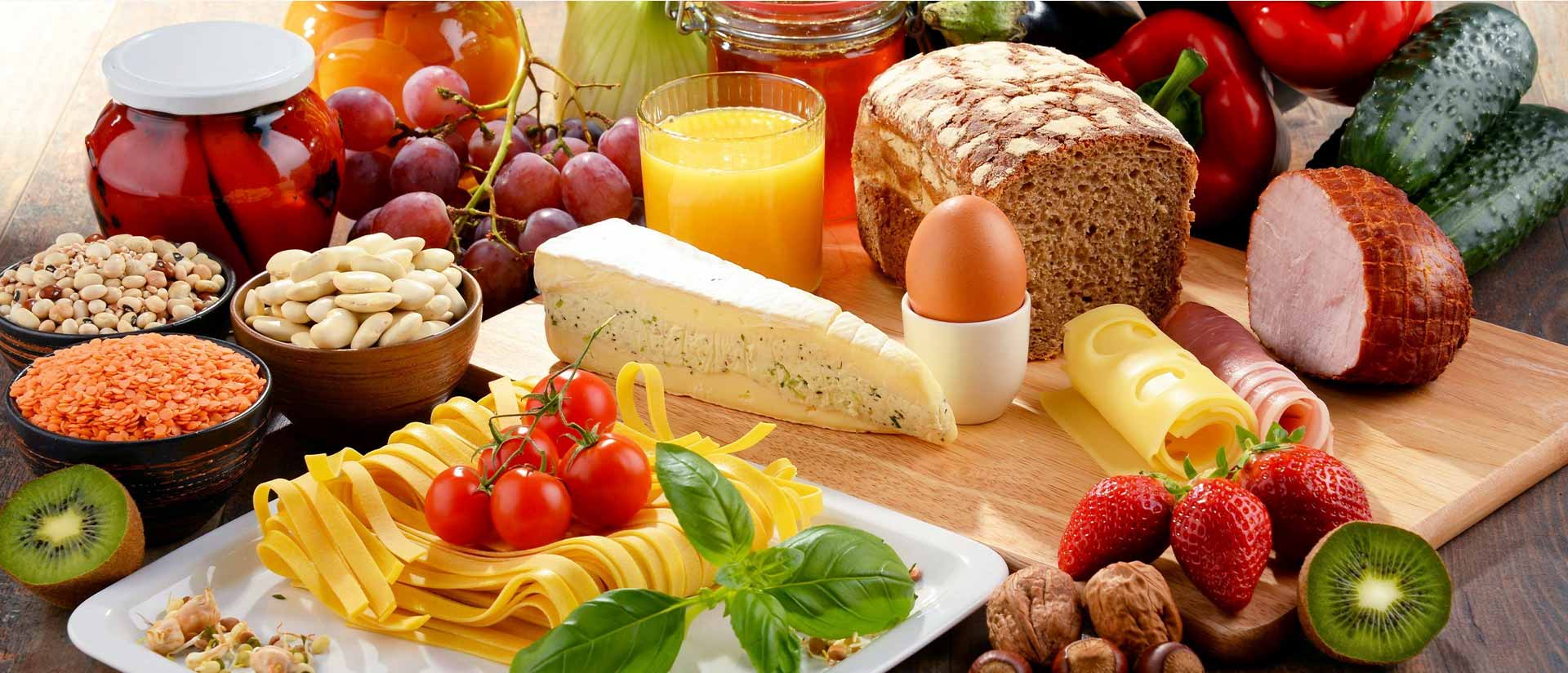
1. Eat more fruits and vegetables and a variety of cereals.
Eating an extra serving of vegetables or fruits (about 100 grams) per day can reduce the risk of coronary heart disease by 4% and the risk of stroke by 5%. High dietary fiber and dietary fiber rich in whole grains, beans, vegetables, and fruits can reduce the risk of coronary heart disease. Normal people eat 0.6 to 1 kilogram of vegetables (including dark vegetables, cruciferous vegetables, beans); 0.4 to 0.8 kilogram of fruits (such as cherries, bananas, apples), as well as oats, whole wheat bread and other whole grain foods every day.
2. Keep high potassium and low sodium diets.
Healthy adults should eat 6 grams of salt a day (including salt in soy sauce and other foods), eat less pickled products such as fermented bean curd and pickles, and use high-potassium and low-sodium salt. Normal people can ensure adequate potassium by eating more fruits and vegetables.
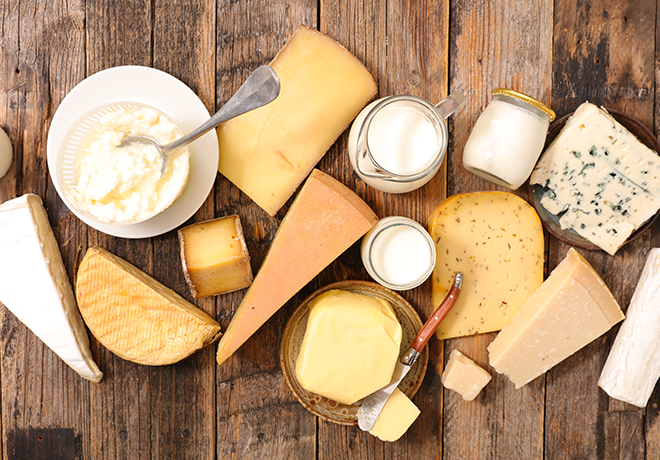
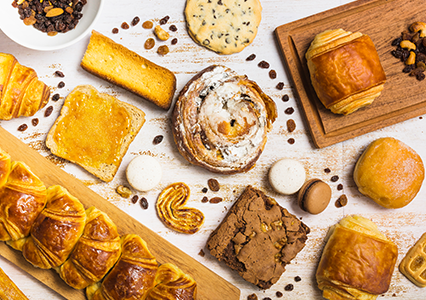
3. Eat less sweets and reduce fat.
Many people love to eat sweets, but the sugar in sweets can increase blood sugar levels in the body and contain saturated fat after preparation.
4. Drink tea.
As we all know, tea has many health benefits, including reducing the risk of heart disease, inhibiting cholesterol absorption, reducing bad cholesterol, alleviating or delaying atherosclerosis, and accelerating fat burning in the body. Drinking more tea at ordinary times is good for the body. What kind of tea is suitable for people with high blood pressure and high blood pressure to drink?
Chicory Gardenia Tea.
According to researches, chicory contains a large amount of inulin, which is a mixture of fructooligosaccharides and fructo-polysaccharides. It will not be hydrolyzed or absorbed in the upper part of the intestine and can increase the thickness of intestinal mucosal, thereby reducing glucose absorption. Gardenia is also a traditional Chinese herbal medicine that has the effects of lowering uric acid, reducing swelling, and being a diuretic. Because it is rich in gardeniposide, it can promote uric acid excretion, reduce uric acid levels, and maintain blood sugar balance. Pairing the two together and drinking them in water every day is very good for patients with high blood sugar.
What’s more worth mentioning is that inulin is a functional food that regulates the gastrointestinal tract, reduces heat absorption, and assists in lowering blood sugar and blood lipids. Inulin absorbs intestinal fat and forms a fat-fiber complex that is excreted in the feces, thereby lowering blood lipid levels. Moreover, inulin itself is fermented into short-chain fatty acids and lactate before it reaches the end of the intestine. Lactate is a regulator of liver metabolism. Short-chain fatty acids (acetate and propionate) can be used as fuel in the blood, and propionate inhibits cholesterol synthesis.
Many studies have shown that daily intake of inulin can greatly increase the number of beneficial bacteria in the colon (about 10 times) and reduce pathogenic bacteria and putrefactive bacteria, such as salmonella, listeria, staphylococcus aureus, coliforms, etc. The mechanism is that inulin is not digested and absorbed but directly enters the large intestine and is preferentially utilized by bifidobacteria to produce acetate and lactate, which lowers the pH value of the large intestine, thereby inhibiting the growth of harmful bacteria. Therefore, inulin is also a proliferation factor for bifidobacteria.