Relevant data shows that the global allulose market reached US$210 million at the end of 2020, and is expected to reach US$450 million in 2030. In the Chinese market, the application of allulose is still facing legalization issues, but industries and companies are actively promoting regulatory approval. Industry insiders predict that D-psicose may be approved this year or next. At present, many related companies in China are already producing or deploying D-psicose.
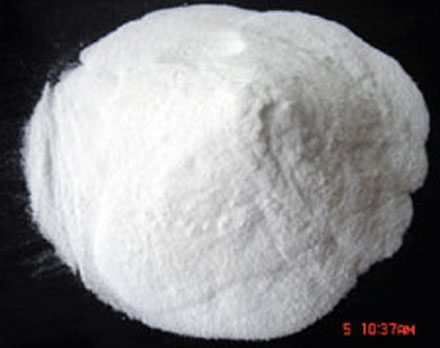
Allulose is the C-3 epimer of D-fructose. It is a rare monosaccharide that occurs naturally in nature but is present in very small amounts. As a new low-calorie rare monosaccharide, its sweetness and taste are very close to sucrose, but its calories are lower than sucrose, only 10% of sucrose. D-psicose has functional properties such as low calories, low metabolic rate, and does not cause blood sugar to rise. It is similar to sucrose in application. It can replace sucrose in terms of volume effect, Maillard reaction and taste. It can improve the flavor and appearance of food to a certain extent and extend the shelf life of food.
Allulose rarely exists in nature, and chemical synthesis and biological transformation are generally used. Among them, biological transformation is currently the most commonly used method. Chemical synthesis methods mainly include selective aldol condensation synthesis, catalytic hydrogenation and other methods. However, due to problems such as poor economy, unfriendly environment, and low availability, chemical synthesis methods have not formed an industrialized industry. Bioconversion methods have enabled the commercial production of psicose. At present, industrial production mainly uses D-psicose-3-epimerase to realize the mutual conversion between D-fructose and D-psicose to produce D-psicose. Psicose has a stable structure and strong chemical inertness, and can adapt to acidic or alkaline environments; it produces a large amount of antioxidant components during the saccharification reaction, which can reduce oxidative losses and improve product quality during product processing and storage.
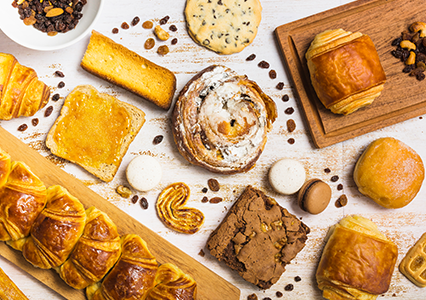
Wholesale allulose has a wide range of application scenarios. Due to its good processing stability and high solubility, the application of allulose in beverages can reduce sugar while maintaining the overall taste and quality of the beverage; in baked products, the glycation coloring effect of allulose under high temperature conditions is good and it has strong water retention properties, which can make baked products have good color, moistness and stable hardness; in candy products, due to the low crystallization rate of allulose, it can effectively control sugar content and reduce calories while maintaining the hardness, elasticity, viscosity and texture similar to those of full-sugar foods.
From a global perspective, allulose has been approved for use in many countries. In 2014, the U.S. Food and Drug Administration approved D-psicose as a safe substitute for sucrose, which has attracted widespread attention in the food field. In addition, D-psicose has obtained regulatory approval in 13 countries including Japan, South Korea, Canada, Australia and New Zealand. Currently, allulose has not been approved in the EU and China.
Although psicose has not yet been approved for use in China, the approval of D-psicose-3-epimerase has given the industry hope. On May 6, the Food Safety Standards and Monitoring and Evaluation Department of the National Health Commission issued the Announcement on 14 "three new foods" including blueberry anthocyanins, including D-aloketose-3-epimerase, which has become a new variety of enzyme preparations for the food industry.
Allulose produced by allulose manufacturers is currently a popular natural sugar substitute. According to SPINS analysis data on traditional and natural enhancement channels, as of the first half of 2022, sales of allulose increased by 164.2%, with a market value of US$400 million. At present, the production of bulk allulose in China is growing rapidly and is mainly used for export. It is expected that the demand for allulose will increase significantly in the short term after it is approved in China.