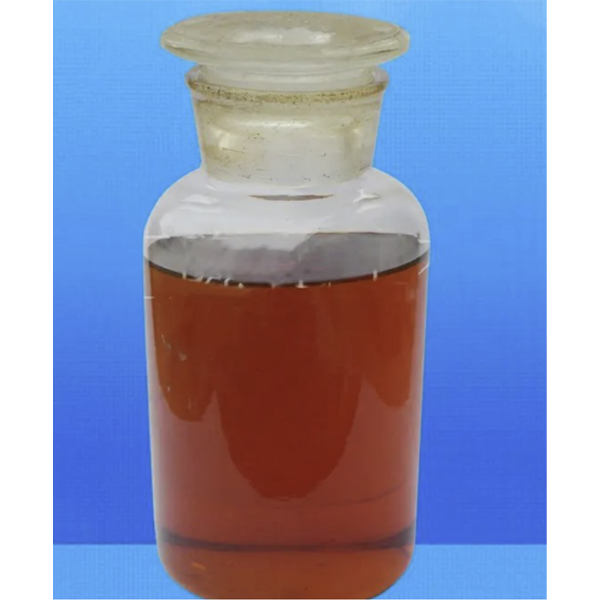
Chemical Composition
More than 95% of commercially available antifreeze is water-based with ethylene glycol as the dominant ingredient. Compared with tap water, ethylene glycol features outstanding freeze resistance, a property absent in plain water. Additional merits include high boiling point, low volatility, moderate viscosity with minimal temperature-induced viscosity fluctuation and superior thermal stability, making ethylene glycol the ideal base fluid for automotive coolants.
Antifreeze Classifications
A wide range of raw materials can be formulated into antifreeze base stocks, including inorganic calcium chloride (CaCl₂), organic methanol (CH₃OH), ethanol (C₂H₅OH), ethylene glycol (C₂H₄(OH)₂, glycol), glycerol (C₃H₅(OH)₃, glycerin), lubricating oils and even everyday substances such as sugar or honey. Final antifreeze is finished by diluting the base stock with qualified soft water (distilled water, clean rain or snow water with total hardness controlled within 0–30 ppm and low calcium/magnesium content).
Methanol and ethanol evaporate readily and are unsuitable for vehicles operating in frigid northern climates.
Core Functions of Antifreeze
Beyond freeze protection, antifreeze offers multiple auxiliary advantages:
Corrosion Prevention
Engine cooling systems consist of multiple metallic components including copper, iron, aluminum, steel and solder. Long-term contact between these metals and plain water under high operating temperatures triggers rust and corrosion. Formulated antifreeze avoids such chemical erosion and delivers passive rust inhibition for the whole cooling loop.
General Application Scenarios
It serves as circulating coolant for internal-combustion engines fitted in passenger vehicles, locomotives, tractors, marine vessels and diverse industrial machinery (gasoline and diesel equipment). Superior antifreeze boils above 110°C versus 100°C for pure water, effectively eliminating engine overheating or boil-off in hot summer conditions. Plain tap water commonly generates stubborn limescale adhering to radiator and engine water jacket inner surfaces, deteriorating heat dissipation and requiring tedious cleanup. Premium antifreeze uses deionized water as solvent plus dedicated anti-scale additives to suppress scale formation and remove minor existing deposits; heavily scaled radiators need pre-cleaning with dedicated radiator detergents before fresh antifreeze filling.
Like water, antifreeze boasts high specific heat and high latent heat of vaporization with convenient top-up accessibility. In subzero environments, untreated water freezes and expands, cracking cooling-system hardware, whereas qualified antifreeze ensures reliable cold-start and normal engine operation under freezing conditions.
Contemporary automotive engines run at markedly higher working temperatures than older designs, with normal operating thresholds generally exceeding 100°C: for example, Santana runs at 90–105°C, Jetta 85–115°C and Citroën Fukang 90–118°C. Pure water boils at 100°C and causes overheating boil-off at regular working loads, alongside progressive scaling and metallic corrosion, hence the mandatory adoption of specialized antifreeze coolant.
A prevalent misconception restricts antifreeze usage only to cold-climate regions. Dominated by ethylene glycol with low freezing point and high boiling point, commercial antifreeze is compounded with supplementary additives to curb ethylene glycol oxidation (which yields highly corrosive byproducts), inhibit metal corrosion and suppress foam generation.
Three Core Protective Effects
- Mitigate electrochemical corrosion across all cooling-system components;
- Prevent mineral scaling that degrades radiator heat exchange efficiency;
- Stabilize engine operating temperature within designed optimal ranges.
Qualified engine antifreeze must satisfy five criteria: freeze resistance, boil suppression, corrosion inhibition, anti-scaling and low foaming, fit for all climates and seasons. Freezing point and boiling point act as two fundamental specification benchmarks for product grading.
Quality Control & Replacement Guidelines
Poor-quality or counterfeit antifreeze fails to deliver designed protection. Ready-to-use coolant is pre-blended from concentrated antifreeze and deionized water per specified ratios listed in OEM operation manuals, which also specify approved fluid grades and forbid cross-formula mixing.
- 40:60 antifreeze-to-water ratio: boiling point 106°C, freezing point −26°C
- 50:50 antifreeze-to-water ratio: boiling point 108°C, freezing point −38°C
Practically, formulate coolant for a freezing point roughly 5°C below the local record-low ambient temperature. Most antifreeze formulations carry a two-year service lifespan; full draining and replacement is required upon expiry or visible fluid contamination.
Standard Replacement Procedure
- Fully drain all exhausted old coolant;
- Fill the circuit with clean water, idle the engine for roughly ten minutes to circulate and flush internal residues before draining all rinse water;
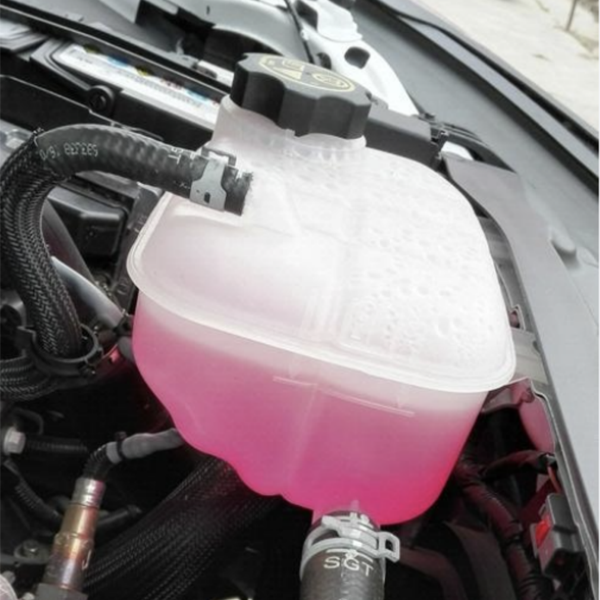
- Refill new antifreeze into the cold engine up to the “MAX” marking on the expansion tank;
- Secure the cap, start and idle the engine until reaching regular operating temperature, then shut down and let the unit cool;
- Top up fluid to the “MAX” mark again after cooling to finalize replacement.