Speaking of lutein, everyone’s first reaction is that it is good for the eyes. Lutein is a natural pigment widely found in vegetables, flowers, fruits and some algae. It is a member of the B vitamin family and one of the most popular phytochemicals in recent years.
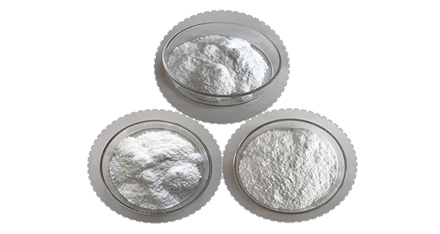
Lutein is orange xanthophyll powder, slurry or yellow-brown liquid, insoluble in water, soluble in propanol, methanol, isopropyl alcohol and dichloroethane, and has good heat resistance. Lutein is widely found in green vegetables. Among them, marigold has the highest lutein content.
Functions and applications of lutein.
Has shading functions.
Lutein has a good coloring effect. Because it has a bright yellow color, it is insoluble in water, soluble in oil and ethanol, has strong coloring power, and is resistant to light, heat, acid, and alkali. It can be widely used in cakes, candies, beverages, rice and flour products, and can also be used to color health care products, as well as the coloring of tablet sugar coatings and capsules.
Protect eyesight.
In recent years, studies have shown that lutein and zeaxanthin can prevent light damage to a part of the retina in the eye. There are two mechanisms. (1) Lutein can filter high-energy visible blue light. Experiments have proven that reducing blue light by 40% can greatly reduce the number of free radicals on the retina.
(2) Lutein, as an antioxidant, can reduce the oxidative effect of light on the eyes and control the formation of reactive oxides and free radicals.
Has antioxidant functions.
Lutein, as a carotenoid, contains multiple unsaturated double bonds and has a strong free radical scavenging effect. It can play an antioxidant and delay aging role.
Applications of lutein in new resource food processing.
Lutein is used as a coloring agent in beverages and jelly. Orange juice drinks, milk drinks, and carbonated drinks are added with lutein. After 6 months of storage, the retention capacity of lutein is above 90%.
Protective effect of lutein esters on skin.
There is evidence that long-term exposure to ultraviolet light can deplete the carotene (including lutein) content in the skin. Skin exposed to UVA and UVB causes cell-mediated inflammatory reactions due to the presence of reactive oxygen species, resulting in erythema and swelling, which affects the appearance. In severe cases, it may even induce skin cancer. Experiments have shown that lutein can play a protective role. The main mechanism is the absorption of blue light in ultraviolet rays and it can scavenge free radicals.
Effect of lutein esters on poultry colorants.
Natural lutein esters have multiple carbon-carbon double bond chromophore groups, showing bright colors. The color of different contents of lutein esters has obvious differences, ranging from light yellow to red, where the color range spans a wide range. Compared with free lutein, there are no active groups at both ends – hydroxyl groups, which determines that lutein ester can be used as a stable colorant.
Lutein and zeaxanthin have been very active in the past 5 years. There are many categories of products on the market that use lutein. The major driver of the lutein market is consumer concern about age-related diseases such as macular degeneration. However, more new research shows that lutein has applications in other health fields, such as brain health, sports nutrition, skin health and sleep management. These new discoveries will attract more consumers from different groups to pay attention to this raw material.