Erythritol is a kind of bulking sweetener that is widely distributed in nature, such as fungi, lichens, melons, grapes, pears, etc. Because some bacteria and fungi can also produce erythritol, it is also found in small amount in fermented foods, wine, beer, and soy sauce.
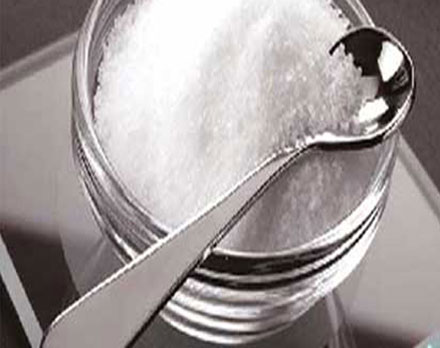
The sweetness of erythritol is 60% to 80% of sucrose. It has the unique light taste of sugar alcohols. When mixed with some high-intensity sweeteners, the sweetness and taste are very close to sucrose. Crystalline erythritol has a cooling sensation when it is consumed.
Erythritol is a small molecule substance which is easily absorbed by the small intestine through passive diffusion. Most of it can enter the blood circulation, and only a small amount directly enters the large intestine as a carbon source for fermentation. However, erythritol that enters the blood cannot be digested and decomposed by the human enzyme system.It does not provide energy, does not participate in sugar metabolism, and does not cause changes in blood sugar either. It can only be filtered from the blood through the kidneys and excreted through urine. Only a small amount of erythritol entering the large intestine is fermented and decomposed into unsaturated fatty acids by large intestinal bacteria, which is used by the body, and most of it is excreted with feces.
Compared with other sweeteners, erythritol is a very low-energy sweetener with a caloric value of about 1.25kJ/g, which is about 1/10 of sucrose. Erythritol alone or mixed with other sweeteners can replace sucrose to make a low-calorie health product suitable for patients with obesity, hypertension and cardiovascular disease. In addition, erythritol also has antioxidant and anti-caries effects.