There are more and more patients with diabetes, and they are gradually getting younger. Therefore, controlling blood sugar levels and preventing the occurrence of diabetes has become a top priority. As of now, there is still no good way to completely cure diabetes, and the disease can only be controlled through drugs or insulin injections. In fact, many chronic diseases in life are caused by improper diet, and the same is true for diabetes. Therefore, for diabetic patients, if they want to control blood sugar levels and avoid blood sugar spikes, they must control their daily diet.
As we all know, diabetic patients cannot eat sugar, otherwise it will cause blood sugar fluctuations and have serious consequences for the body. So should diabetic patients reject all sugar in their diet? Many people in life fall into the misunderstanding that diabetic patients cannot obtain any sugar, otherwise their blood sugar will continue to rise. In fact, this behavior is not advisable. Sugar provides energy to the human body. When obtained in small amounts, it has certain benefits for physical health. It does not mean that you have to reject all sugars. Many people think that for diabetic patients, xylitol can be used to replace sugar and they can eat some appropriately. So is this statement correct? Next, let’s take a look.
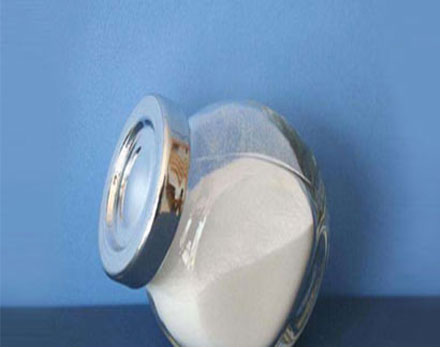
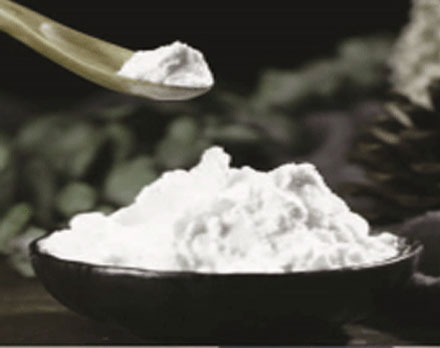
Xylitol is a sweet substance with nutritional value and a normal intermediate in human body's sugar metabolism. It is a natural and healthy sweetener. A healthy person, even if he does not eat any food containing xylitol, will still contain trace amounts of xylitol in his blood. In nature, xylitol is widely found in various fruits and vegetables, but the content is very low.
Compared with sucrose, xylitol has relatively low calories. Each gram of xylitol contains only 2.4 calories, which is 40% less than most other carbohydrates. Therefore, eating xylitol will not cause obesity. For normal people, the amplitude and speed of blood sugar rise after consuming xylitol are lower than those of glucose and sucrose. The metabolism of xylitol in the body does not require the participation of insulin and will not increase blood sugar levels. Therefore, it is a safe sweetener for diabetics.
However, if you consume too much xylitol, it will also have an impact on the human body, because the absorption rate of xylitol in the intestine is less than 20%, and it can easily cause diarrhea. Therefore, people with diabetes should not consume too much xylitol, especially those suffering from insulin-induced hypoglycemia. Xylitol should be avoided.
1. Control xylitol intake.
Xylitol may not require the participation of insulin in the early stage of metabolism, but in the later stage of metabolism, it requires the promotion of insulin. Therefore, for diabetic patients, it is enough to eat less to satisfy their taste buds, and they must not be consumed in large amounts for a long time. If you eat too much, in addition to affecting blood sugar levels, it will also increase triglycerides in the blood, causing coronary atherosclerosis.
2. Read the ingredient list clearly.
When choosing food made with xylitol, be sure to read the ingredient list clearly, because xylitol is hygroscopic and biscuits made with it will be moist and not easy to be fluffy. Therefore, during the production process, it is often necessary to add more fat to achieve a good taste. However, adding too much fat is very detrimental to health and will also affect blood sugar levels, so you must make a good choice when purchasing.
3. Control the eating time.
For diabetic patients, it is easy to cause blood sugar level fluctuations just after eating. Therefore, when taking xylitol, be sure to control the use time. Do not use it after a meal. It can be placed between two meals. This can not only avoid hunger, but also reduce the impact on blood sugar.
Therefore, diabetics can eat foods containing xylitol. Compared with sucrose, xylitol contains lower calories. However, when eating xylitol foods, diabetics should reduce their own calories. They should not consume more than 50 grams of xylitol a day to avoid causing blood sugar rise.