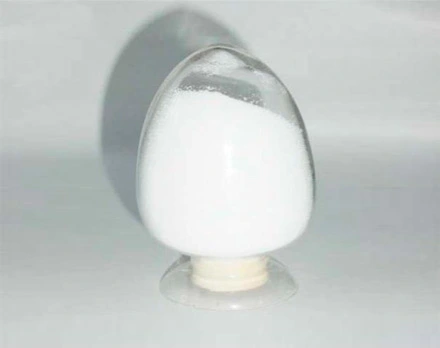
Resistant Dextrin, also known as resistant maltodextrin or soluble fiber, is a type of carbohydrate that has become increasingly popular in recent years due to its potential health benefits. It is produced by heating starch and chemically treating it with acids or enzymes. The result is a water-soluble fiber that functions similarly to other types of dietary fiber, such as oat bran or psyllium husk.
But the question remains: can resistant dextrin be eaten for a long time? In this blog post, we will explore the health benefits of resistant dextrin, its safety, and how one can incorporate it into their diet in a sustainable and healthy way.
Resistant dextrin has a number of potential health benefits. First, it promotes feelings of fullness and satiety, helping to reduce overall calorie intake and support healthy weight management. It also has a low glycemic index, meaning it does not cause spikes in blood sugar levels. This makes it a useful ingredient for people with diabetes or those looking to manage their blood sugar levels.
In addition, resistant dextrin acts as a prebiotic, supporting the growth of beneficial bacteria in the colon and promoting overall gut health. It has also been shown to reduce inflammation and improve insulin sensitivity.
In general, resistant dextrin is considered to be safe. It is a non-digestible dietary fiber, meaning it passes through the digestive system mostly intact and is not absorbed by the body. This makes it unlikely to cause adverse reactions or side effects.
However, it is worth noting that some people may experience gastrointestinal discomfort when consuming high doses of resistant dextrin. This can include symptoms such as bloating, gas, and diarrhea. It is generally recommended to start with a small dose and gradually increase intake to assess tolerance.
Resistant dextrin can be found in a variety of foods and supplements. The most commonly used source of resistant dextrin is corn, but it can also be derived from potatoes, barley, and wheat.
One of the easiest ways to incorporate resistant dextrin into your diet is through supplements. These can be found in capsule or powder form and can be added to smoothies, yogurt, or even sprinkled on top of food.
Another way to increase your intake of resistant dextrin is to look for products that contain it as an ingredient. Foods such as protein bars, meal replacement shakes, and low-carb bread may all contain resistant dextrin.
If you prefer to use whole foods as your source of resistant dextrin, there are a number of options available. Consuming vegetables such as artichokes, garlic, and onions can help increase your intake. Other sources include legumes, whole grains, and nuts.
To ensure that you are consuming resistant dextrin in a sustainable and healthy way, it is important to prioritize whole foods and avoid processed products that contain excessive amounts of added sugars and other additives. Consuming a balanced diet that includes a variety of fiber-rich foods will also help provide other important nutrients that are essential for overall health.
Overall, resistant dextrin is a relatively safe and well-tolerated dietary supplement with a number of potential health benefits. While further research is needed to fully explore its effects on various health conditions, incorporating it into a balanced diet can support healthy weight management, improve gut health, and promote overall wellness.
When it comes to sustainability, finding sources of resistant dextrin from whole foods is always preferable. But regardless of the source, remember to start with small doses and gradually increase intake to assess tolerance. With these considerations in mind, resistant dextrin can be consumed over a long period of time as part of a healthy and balanced diet. And In daily life, we should pay attention to a reasonable diet, focusing on light food, avoiding binge eating. We should eat more fresh vegetables and fruits, which can enhance our physique and immunity.