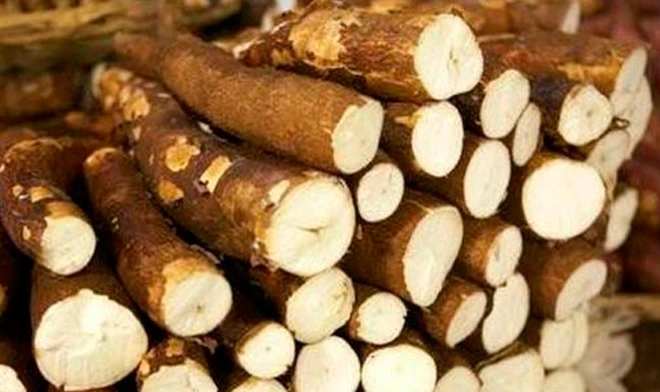
As a type of dietary fiber, organic resistant dextrin syrup (tapioca) has the characteristics of being natural, not susceptible to moisture and caking, highly water-soluble, heat-resistant and acid-resistant, and has no special taste, as well as its unique physiological functions and good processing characteristics. Resistant dextrin has a well-developed branched structure, is not easy to age, is resistant to freezing and refrigeration, has low calories, and has a total dietary fiber content of more than 82%. It can be used as a low-calorie soluble food raw material.

Organic resistant dextrin interacts with probiotics in the intestines and can improve intestinal flora.
When organic resistant dextrin syrup (tapioca) is taken together with food, the absorption of fats contained in the diet is delayed and the rise in neutral fats in the blood after a meal becomes slower.
Visceral fat mass and postprandial blood neutral fat values are significantly reduced when resistant dextrin is consumed.
Organic resistant dextrin promotes the absorption of calcium, magnesium, iron and zinc.
Adding organic resistant dextrin syrup (tapioca) to pastries can keep the product soft and moist, increase the shelf life, and extend the shelf life.
Product name | Organic Resistant Dextrin Syrup (Tapioca) |
Appearance | From brown yellow to light yellow syrup |
Taste | With an inherent smell, no odor |
Total fiber content, % | ≥70.0 |
Dry matter(Solid Substance), % | 75.0-75.4 |
Ash, % | ≤0.5 |
Water Activity | <0.8650 |
pH | 3.5-5.5 |
Sugar, % | <2.0 |
Lead (Pb), mg/kg | ≤0.5 |
Arsenic (As), mg/kg | ≤0.5 |
Total Plate Count, CFU/g | ≤1000 |
Total Coliform, MPN/100g | ≤30 |
Mold, CFU/g | ≤25 |
Yeast, CFU/g | ≤25 |
Organic resistant dextrin syrup (tapioca) has good physiological functions and processing properties, and its characteristics in all aspects are better than non-starch polysaccharide dietary fiber and insoluble dietary fiber. It is a new food additive worthy of vigorous promotion and can be used as food functional ingredients, used in foods such as carbohydrates and fats. Resistant dextrin has broad market prospects as a functional food ingredient with low calorie and high dietary fiber content.