In the culinary world, where ingredients reign supreme, two tapioca-derived wonders vie for attention: tapioca fiber and tapioca starch. Like identical twins, they share a name, but their differences are as stark as night and day. As we embark on this gastronomic investigation, we'll delve into the contrasting realms of these siblings, separating fact from fiction and, perhaps, just perhaps, uncover the secrets behind their distinct personas.
Tapioca: The Original Superfood
Tapioca, derived from cassava root or manioc, has been a staple in many cuisines, particularly in Latin American and Southeast Asian traditions. This starchy, gluten-free wonder has woven a rich tapestry of cultural significance, with applications ranging from savory dishes to sweet treats. But, as we're about to discover, its derivatives – fiber and starch – are worlds apart.
Tapioca Fiber: The Nutritional Dynamo
Tapioca fiber, the more virtuous of the twins, is the unsung hero of gut health. This dietary fiber powerhouse boasts an impressive array of benefits, solidifying its position as a nutritional rockstar:
Gut Guardian: Tapioca fiber, as a prebiotic, nourishes beneficial bacteria, fostering a thriving gut microbiome and, consequently, a robust immune system.
Blood Sugar Balancer: By slowing carbohydrate digestion, it regulates blood sugar levels, making it an attractive asset for those grappling with insulin resistance.
Cholesterol Crusader: Soluble tapioca fiber binds to bile acids, lowering LDL cholesterol and reducing the liver's cholesterol production.
Satiety Sentinel: Its bulkiness induces a feeling of fullness, supporting weight management efforts and curbing overindulgence.
Tapioca Starch: The Culinary Chameleon
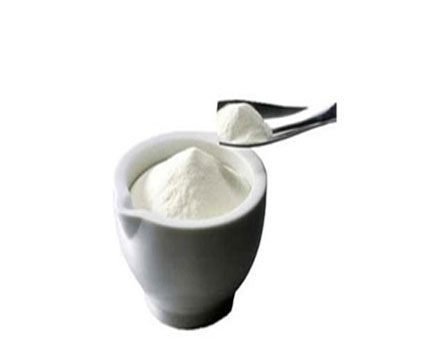
Tapioca starch, on the other hand, is the ultimate shape-shifter. This versatile, odorless powder has carved a niche in various industries, from food to cosmetics. Its prowess lies in its:
Thickening Wizardry: Tapioca starch is an exemplary thickening agent, ideal for sauces, soups, and baked goods.
Gluten-Free Savior: As a gluten-free substitute, it rescues recipes from the clutches of gluten intolerance.
Cosmetic Connection: In the realm of cosmetics, tapioca starch absorbs excess moisture, imbuing products with a silky smooth texture.
The Battle for Supremacy: Fiber vs Starch
While both twins share a common ancestry, their differences are stark. Tapioca fiber is the healthier, more nutritious counterpart, whereas tapioca starch is the versatile, culinary maestro.
Fiber's Edge: High in fiber, low in calories, and rich in nutrients, tapioca fiber is the clear winner in the nutritional stakes.
Starch's Strength: Tapioca starch, though less nutritious, is a master of disguise, seamlessly adapting to various recipes and applications.
The Great Debate: Which Tapioca Twin Reigns Supreme?
As we weigh the pros and cons, a pressing question emerges: Is tapioca fiber the unsung hero, or is tapioca starch the culinary MVP? The answer lies in their distinct uses:
Health-Conscious Consumers: Tapioca fiber is the obvious choice for those prioritizing nutrition and gut health.
Culinary Wizards: Tapioca starch is the go-to ingredient for chefs and bakers seeking a versatile, texture-enhancing agent.
Unraveling the Mysteries of Tapioca Fiber Extraction
Tapioca fiber's extraction process is an artisanal affair, involving:
Washing and Peeling: Cassava roots are meticulously cleaned and peeled to remove impurities.
Grating and Drying: The roots are grated and dried to extract the starchy, fiber-rich goodness.
Sifting and Purification: The resulting mixture is sifted and purified to produce the final, fiber-rich product.
In the Starch Camp: Tapioca Starch Production
Conversely, tapioca starch production is a more straightforward process:
Washing and Grinding: Cassava roots are washed and ground into a fine paste.
Centrifugation: Starch is separated from the mixture through centrifugal force.
Drying and Sifting: The resulting starch is dried and sifted, ready for culinary exploits.
Conclusion: The Tapioca Twins Come of Age
As our gastronomic journey comes full circle, it's clear that tapioca fiber and tapioca starch are distinct entities, each with its unique strengths. While tapioca fiber is the nutritional powerhouse, tapioca starch is the culinary chameleon. By recognizing their differences, we can harness the potential of these siblings, unlocking their secrets and elevating our cooking repertoire to new heights. So, the next time you're faced with the tapioca twins, remember: fiber is for nutrition, starch is for culinary magic.