Inulin is a fructan mixture composed of 2-60 fructose molecules. After entering the human large intestine, it is fermented and absorbed by beneficial bacteria. Therefore, inulin is also called complex polysaccharide or complex prebiotic. It is the highest quality natural water-soluble dietary fiber currently found.
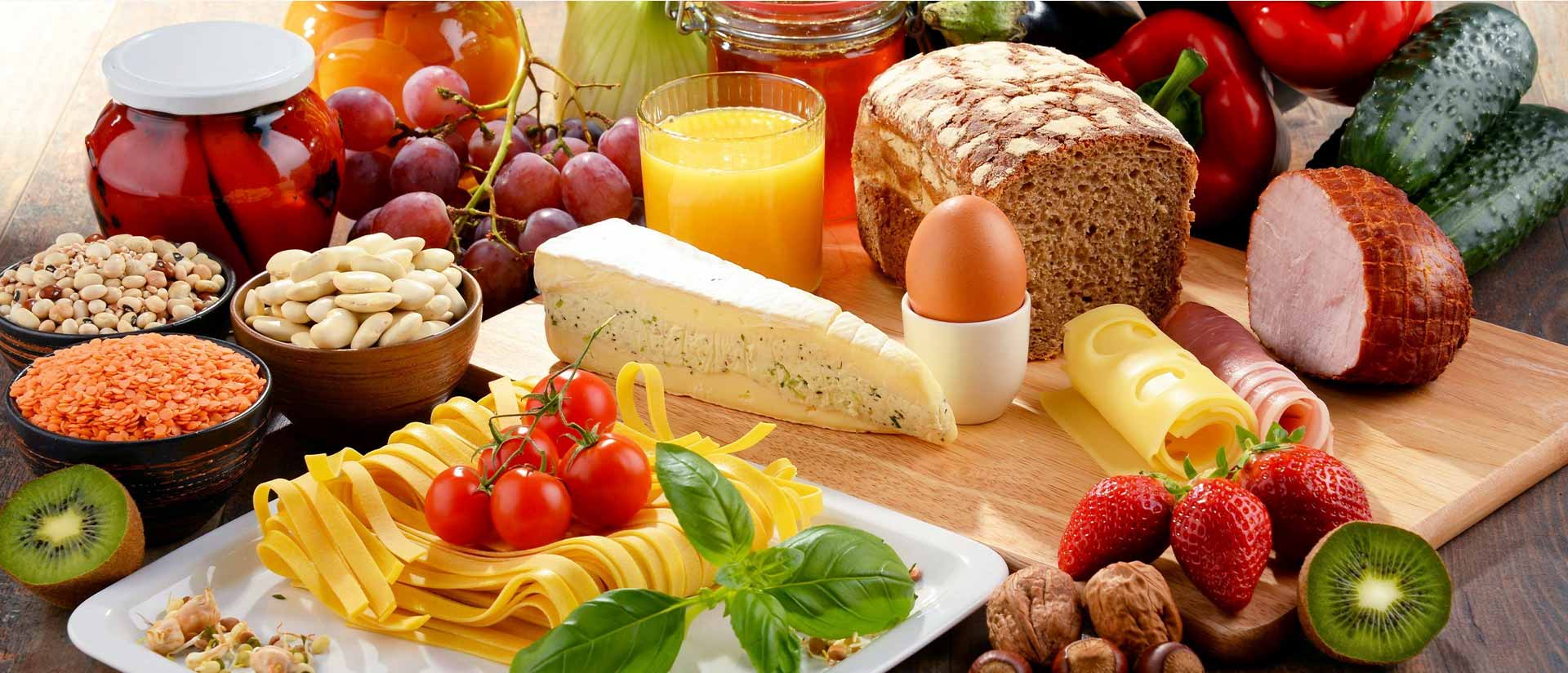
Inulin is widely distributed in nature and is also contained in some fungi and bacteria, but its main source is plants. Plants that people eat daily such as onions, garlic, bananas, wheat, etc.all contain inulin. However, inulin mainly exists in Asteraceae plants in nature. The content of Jerusalem artichoke (commonly known as Jerusalem artichoke, the main raw material of domestic inulin) is 14%-19%, and the content of chicory (the main raw material of European inulin) is 15%-20%. The inulin content in several common edible plants is shown in the table below:
|
plant name |
Inulin content/% |
plant name |
Inulin content/%
|
|
wheat |
1~4 |
Jerusalem artichoke |
15~20 |
|
onion
|
2~6 |
Jerusalem artichokes |
15~20 |
|
Leek |
10~15 |
Salsify |
15~20
|
|
Tiandong
|
10~15 |
Dahlia tubers |
15~20 |
|
endive
|
13~20
|
garlic
|
15~20 |
1. Use in processed low-fat foods (such as butter, spreads)
Inulin is an excellent fat substitute that forms a creamy structure when completely mixed with water. This makes it easy to replace fat in foods and provides a smooth mouthfeel, good balance and abundant flavor. It can replace fat into fiber, increase the tightness and taste of the product, and stably improve the dispersion of emulsification. It can replace 30~60% of fat in processing of cream and spread food.
2. Use to configure high-fiber diet
Inulin has good solubility in water, which allows it to be combined with aqueous systems. It is rich in water-soluble dietary fiber and will not cause sedimentation problems like other fibers. Using inulin as a fiber ingredient is very convenient and can improve the sensory properties and they can help the body achieve a more balanced diet and therefore can be used as high-fiber food ingredients.
3. It can be used as a bifidobacteria proliferation factor and is a prebiotic food ingredient.
Inulin can be used by beneficial bacteria in the human intestine, especially bifidobacteria, which can multiply 5 to 10 times. At the same time, harmful bacteria will be significantly reduced, improving the distribution of human flora and promoting health. Inulin has been listed as an important Bifidobacterium proliferation factor.
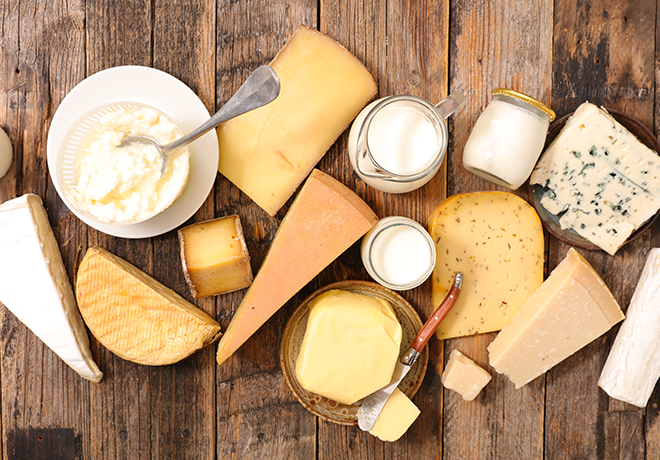
4. Used in milk drinks, yogurt, liquid milk
Adding 2~5% of inulin to milk beverage, yoghurt, and liquid milk not only provides the product with the functions of dietary fiber and oligosaccharides, but also increases the consistency, giving the product a thicker creamy taste, better balanced structure, and rich flavor.
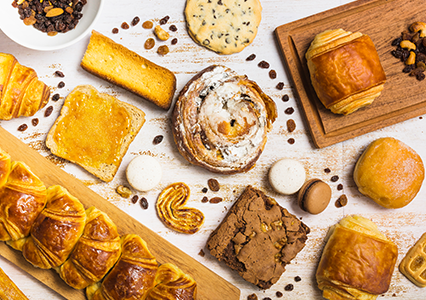
5. Used in baked products
Inulin is added to baked goods to develop new concept breads, such as prebiotic breads, multi-fiber white breads and even multi-fiber gluten-free breads. Inulin can increase dough stability, adjust water absorption, increase bread volume, improve bread crumb uniformity and sheeting ability.
6. Used in juice drinks, functional water drinks, sports drinks, fruit dew, and jelly
Adding 0.8~3% inulin to fruit juice drinks, functional water drinks, sports drinks, fruit juices, and jelly can make the beverages have a stronger flavor and better texture.
7. Used in milk powder, dried milk slices, cheese, frozen desserts
Adding 8 to 10% inulin to milk powder, dried milk slices, cheese, and frozen desserts can make the product more functional, richer in flavor, and better in texture.