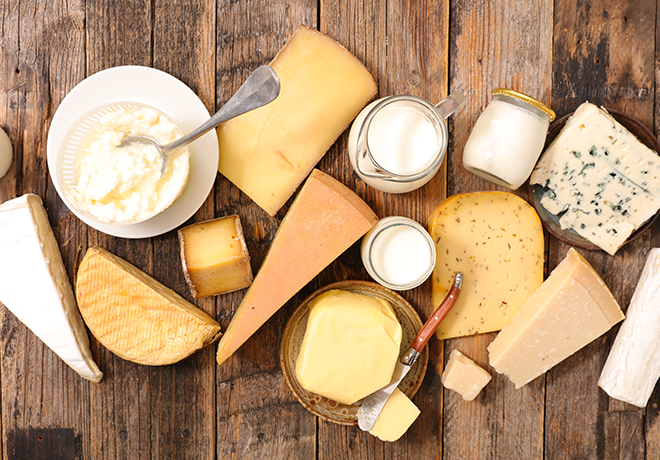
Functional components of food, also known as functional factors, effective ingredients, and physiological active ingredients, refer to substances that can regulate human body functions by activating the activity of enzymes or other pathways. They are the true components that play a physiological regulatory role in health food or functional food, and substances rich in these components are called functional food ingredients.
Functional polysaccharides;
Functional sweeteners;
Functional lipids;
Amino acids, peptides and proteins;
Vitamins and vitamin-like substances;
Minerals and trace elements;
Microecological regulators;
Free radical scavengers.
Functional polysaccharides
Polysaccharides refer to a class of high-molecular substances formed by the aggregation of more than 10 monosaccharides, which belong to carbohydrates. Functional polysaccharides are usually divided into dietary fiber and active polysaccharides. Active polysaccharides can be divided into animal polysaccharides (chitosan), plant polysaccharides (tea polysaccharides, ginseng polysaccharides, astragalus polysaccharides, goji berry polysaccharides, etc.), and microbial polysaccharides (fungus and cell polysaccharides).
Dietary fiber can promote intestinal peristalsis, prevent constipation and colon cancer; reduce cholesterol, prevent arteriosclerosis and coronary heart disease; delay and inhibit the digestion and absorption of carbohydrates, and regulate blood sugar levels; enhance immunity, increase satiety, and remove heavy metal ions, which can prevent breast cancer, obesity, and gallstones. Active polysaccharides have the functions of enhancing immunity, improving sugar metabolism, regulating blood lipid levels, and resisting tumors, mutations, antibiotics and viruses.
Functional sweeteners
Functional monosaccharides mainly include fructose and L-monosaccharides; functional oligosaccharides mainly include maltotriose, raffinose, lactulose, oligofructose, oligomaltose, oligogalactose, and isomaltooligosaccharides; functional sugar alcohols mainly include xylitol, maltitol, and sorbitol.
Intense sweeteners also belong to functional sweeteners, and their sweetness is usually tens to tens of thousands of times that of sucrose. Common ones include saccharin, stevioside, thaumatin, aspartame, sodium saccharin and acesulfame potassium.
The metabolism of fructose is not controlled by insulin in the body, and it can be consumed by diabetes patients; it is not easy to cause dental caries. Functional oligosaccharides cannot be digested and absorbed by human body, with low calories; they can be used by probiotics in the intestines; they are soluble dietary fibers, which can prevent constipation; prevent dental caries; promote mineral absorption. Functional sugar alcohols are not related to insulin metabolism in the human body, have no caries effect, and have effects similar to dietary fiber.
Functional lipids
Functional lipids are a type of lipids with special physiological functions, including polyunsaturated fatty acids and phospholipids. Polyunsaturated fatty acids mainly include linoleic acid, gamma-linolenic acid, eicosapentaenoic acid (EPA), and docosahexaenoic acid (DHA); phospholipids include lecithin, phosphatidylserine, inositol phospholipids and serine phospholipids, etc.
Essential fatty acids are important components of phospholipids, which are essential for brain development; they can reduce cholesterol levels, prevent arteriosclerosis, inhibit the formation of arterial thrombosis, reduce acute myocardial infarction, and prevent high blood pressure. Arachidonic acid is a precursor of prostaglandins (PG), which has physiological regulatory functions.