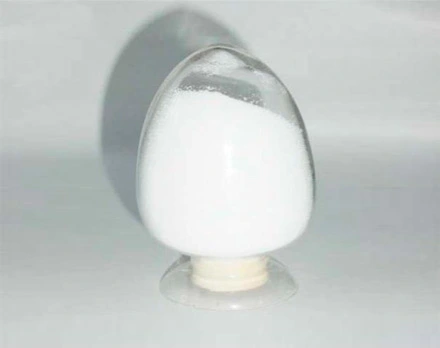
Resistant maltodextrin syrup (corn) is processed from starch. It is a low-calorie glucan obtained by extracting and refining the indigestible components of roasted dextrin using industrial technology. It is a low-molecular water-soluble dietary fiber. Resistant dextrin has excellent water solubility, the aqueous solution is yellow or light yellow, and the viscosity is very low. As a low-calorie soluble food raw material, it has broad development prospects in the food industry.


Resistant maltodextrin syrup (corn) improves insulin resistance induced by high-fat and high-fructose diet. It can change the secretion of digestive tract hormones, such as reducing pancreatic juice secretion, changing digestive enzymes in the intestine, thereby inhibiting sugar absorption and lowering blood sugar.
Resistant maltodextrin (corn) absorbs water and expands, which can increase the volume of feces and promote intestinal peristalsis. It has a good preventive effect on constipation, hemorrhoids, colon cancer and other diseases.
Resistant maltodextrin syrup (corn) will not be digested and absorbed in the digestive tract and can directly enter the large intestine. Therefore, it plays various physiological roles of dietary fiber.
Resistant maltodextrin syrup (corn) has the characteristics of high digestive tolerance, low glycemic index, low insulin index, low calorie, easy to dissolve, etc. It can lower blood sugar, lower blood lipids and protect the intestines.
Product name | Resistant maltodextrin syrup (Corn) |
Appearance | From brown yellow to light yellow syrup |
Odor | Odorless |
Total fiber content (on dry basis), % | ≥90.0 |
pH | 3.5-5.5 |
Water Activity | <0.8650 |
Dry matter(Solid Substance), % | ≥75.0 |
Total Plate Count, CFU/g | ≤1000 |
Total Coliform, MPN/100g | ≤30 |
Mold, CFU/g | ≤25 |
Yeast, CFU/g | ≤25 |
Lead(Pb), mg/kg | ≤0.5 |
Arsenic(As), mg/kg | ≤0.5 |
Resistant maltodextrin syrup (corn) has excellent physical properties (stability, water solubility, no peculiar smell, low sweetness, low viscosity, non-irritating) and can be added to most foods.