Soluble tapioca fiber syrup is a kind of water-soluble dietary fiber. It has good water holding capacity and plays an important role in lubricating the intestines. Its volume expands after absorbing water in the stomach, which can increase the feeling of satiety, thereby reducing the intake of other foods. Soluble tapioca fiber is recognized as a prebiotic product by the "Public Nutrition Improvement Microecology Project" at the end of 2008. It can promote the proliferation of beneficial intestinal bacteria Bifidobacterium, thereby inhibiting the growth and reproduction of harmful bacteria, and is beneficial to intestinal health.


Soluble tapioca fiber syrup helps maintain normal and healthy blood sugar and insulin levels, delays and inhibits the digestion and absorption of sugars in the small intestine, and improves the sensitivity of peripheral tissues to insulin, reducing the need for insulin.
Soluble tapioca fiber syrup can also change the secretion of digestive tract hormones and the activity of digestive enzymes in the intestine, inhibit the digestion and absorption of sugar, thereby lowering blood sugar.
Continuous intake of soluble tapioca fiber, a low molecular weight water-soluble dietary fiber, can reduce serum cholesterol and neutral fat concentrations and body fat mass.
Soluble tapioca fiber can also absorb bile acids, fats, etc. to reduce their absorption rate, which can lower blood lipids and improve lipid metabolism in patients with various types of hyperlipidemia.
Product name | Soluble Tapioca Fiber Syrup |
Appearance | From brown yellow to light yellow syrup |
Taste | With an inherent smell, no odor |
Total fiber content, % | ≥90.0 |
Dry matter(Solid Substance), % | 75.0-75.4 |
Ash, % | ≤0.5 |
Water Activity | <0.8650 |
pH | 3.5-5.5 |
Sugar,% | <2.0 |
Lead (Pb), mg/kg | ≤0.5 |
Arsenic (As), mg/kg | ≤0.5 |
Total Plate Count, CFU/g | ≤1000 |
Total Coliform, MPN/100g | ≤30 |
Mold, CFU/g | ≤25 |
Yeast, CFU/g | ≤25 |
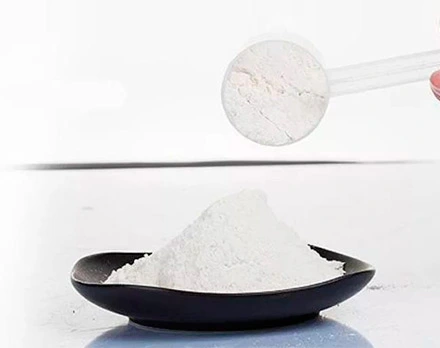
Soluble tapioca fiber syrup has the same powdery characteristics and processing adaptability as white sugar, and is easy to use. It has low viscosity and sweetness. It has been used in beverages, jams, candies, dairy products and various cereal foods. The raw material starch for producing soluble tapioca fiber comes from a wide range of sources, and its production is safe and reliable. Its development and application prospects will be very good.