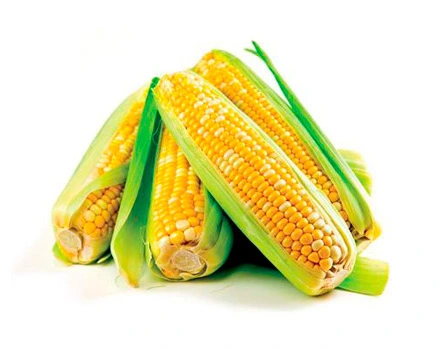
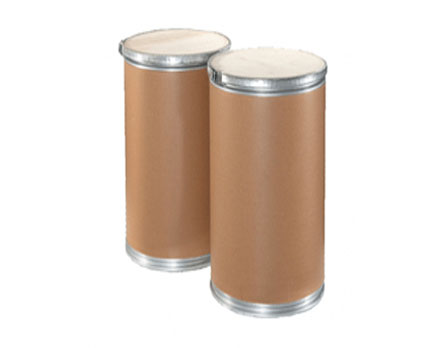
Maltodextrin is also called water-soluble dextrin or enzymatic dextrin. It uses various types of starch as raw materials, and is made by low-level controlled hydrolysis conversion, purification and drying by enzymatic process. Its raw materials are starchy corn, rice and so on.
It can also be refined starch, such as corn starch, wheat starch, tapioca starch, etc. The main properties of maltodextrin are directly related to the hydrolysis rate, and the DE value not only indicates the degree of hydrolysis, but also is an important indicator for grasping product characteristics. Understanding the relationship between DE value and physical properties of maltodextrin series products is beneficial to the correct selection and application of various maltodextrin series products.
It is widely used in beverage, frozen food, candy, oatmeal, dairy products, health care products and other industries, and can also be used in textile, daily chemical and pharmaceutical production.
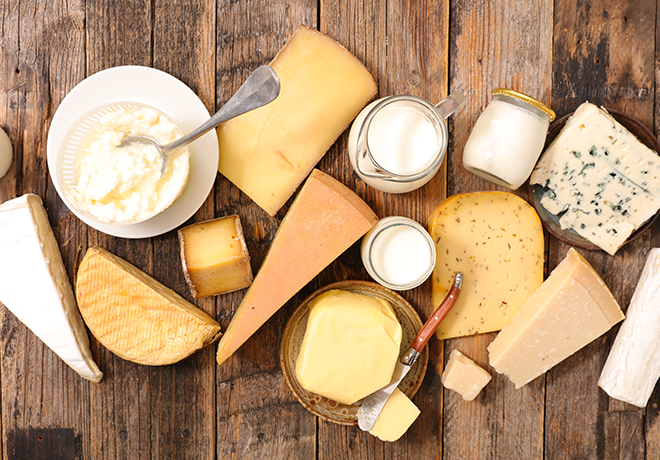
1. Adding maltodextrin to milk powder and other dairy products can make the product volume expand; not easy to clump, soluble, and has good compatibility; prolong the shelf life of the product, reduce costs and improve economic benefits. It can also improve the nutritional ratio, increase the nutritional value, and be easy to digest and absorb. The role of maltodextrin in formulating functional milk powder, especially sucrose-free milk powder, infant booster milk powder, etc. has been confirmed. The dosage is 5%~20%.
2. It is used in nutritious snack foods such as soybean milk powder, instant oatmeal and malted milk extract. It has a good taste and instant thickening effect, avoids precipitation and stratification, can absorb beany smell, and prolongs the shelf life. The reference dosage is 10%~25%.
3. Used in solid beverages, such as milk tea, fruit crystals, instant tea and solid tea, it can maintain the characteristics and fragrance of the original product, reduce costs, and the product has a mellow, delicate taste, strong flavor, excellent instant effect, and inhibits crystallization. The emulsifying effect is good, and the carrier effect is obvious. The reference dosage is 10%~30%. The maltodextrin of DE24~29 is suitable for the production of coffee mate, and the dosage can be as high as 70%.
4. Used in frozen foods such as ice cream or popsicles. The ice particles expand delicately, have good viscosity, mild sweetness, little or no cholesterol, pure flavor, refreshing mouthfeel, and good taste. The dosage is 10% ~25%.
5. When used in candies, it can increase the toughness of candies, prevent melting, and improve the structure. It can reduce the sweetness of candies, reduce dental diseases, reduce tooth sticking, improve flavor, prevent deliquescence, and extend shelf life. The dosage is generally 10% to 30%.
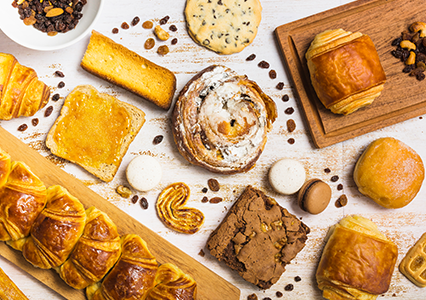
6. Used for biscuits or other convenience foods, with full shape, smooth surface, clear color and good appearance. The product is crispy and delicious, moderately sweet, does not stick to the teeth in the mouth, leaves no residue, has few defective products, and has a long shelf life. The dosage is 5%~10%.
7. Adding maltodextrin to meat products such as ham and sausage can reflect its strong adhesiveness and thickening properties, making the product delicate, rich in taste, easy to pack and shape, and extending the shelf life. The dosage is 5%~10%.
Let's start with carbohydrates. Infants and toddlers are in a period of rapid growth and development and need sufficient energy to meet basic metabolism and growth and development. At this stage, babies have higher requirements for protein, fat, carbohydrates and other nutrients than adults. The most common carbohydrates in infant foods are lactose, sucrose, maltodextrin, etc. There is no difference in the energy provided by these carbohydrates. Lactose occurs naturally in mammalian milk, where it is absorbed in the intestine after digestion with the enzyme lactase.
The intestinal lactase activity is the strongest in infants, and the intestinal lactase activity tends to decline gradually with age, coupled with the phenomenon of "lactose intolerance", so formula milk powder for older children such as children over 1 year old , usually with maltodextrin and sucrose as the main carbohydrate source.
Sucrose is a kind of disaccharide. It is decomposed into fructose and glucose through digestive juice in the human digestive system. It is absorbed by the small intestine. Excessive sucrose can easily cause tooth decay. Due to its high sweetness, excessive intake of sucrose can easily develop the bad habit of babies preferring sweets . Similar to corn syrup, maltodextrin is an odorless nutritional polysaccharide with many unique physical and chemical properties, such as good water solubility, resistance to boiling, and easy absorption by the human body. These characteristics make it widely used in the processing and production of various foods such as solid beverages, candies, biscuits, beer, baby food, and athletes' beverages. For the provision of energy in infant nutrition, maltodextrin is equivalent to other types of carbohydrates.
What needs attention is that the energy provided by the three major nutrients carbohydrates, fat, and protein in the diet of young children should follow a certain ratio. All three nutrients provide energy to the human body. In terms of quantity, the energy provided by protein generally accounts for 12% to 14%, the energy provided by fat is preferably 30% to 35%, and the remaining energy is provided by carbohydrates.
Theoretically speaking, as energy-providing carbohydrates, the content of maltodextrin in a product is understandable as long as it is within the total amount of carbohydrates allowed by the product, that is to say, maltodextrin does not exceed the amount of carbohydrates. The total amount of compounds will not affect the ratio of other nutrients.
From a nutritional perspective, a balanced and comprehensive diet of protein, fat, and carbohydrates is the nutritional feast for babies.