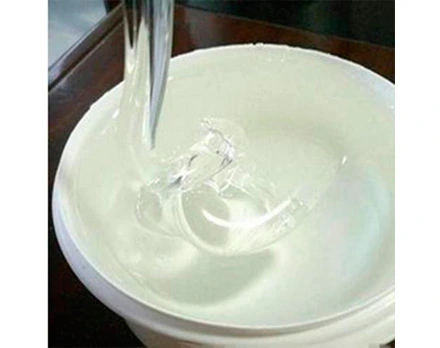
As a safe new dietary fiber ingredient, resistant dextrin powder has functional characteristics of dietary fiber and is considered a potential prebiotic substance with good processing performance. Currently, resistant dextrin powder is widely used in beverages, candies, chocolates, dairy products, baked/nutritional bars, and meat products, and is also added to food as a regulator for gel preparation.
With the improvement of living standards, diseases such as diabetes and constipation seriously affect people's health. Adding water-soluble dietary fiber to health food will help control the condition of patients. Resistant dextrin powder can significantly inhibit the rise of blood sugar and insulin because it can inhibit the digestion and absorption of sugars in the small intestine, improving the sensitivity of peripheral tissues to insulin, thus reducing insulin sensitivity.
Resistant dextrin powder can resist the action of digestive enzymes in the body, will not be digested and absorbed in the digestive tract, can enter the large intestine, and promote the growth and reproduction of beneficial bacteria in the intestine. The metabolism of probiotics produces some regulatory substances beneficial to the human body, thereby improving the human immune system and intestinal function, and inhibiting the growth of harmful microorganisms in the intestine.
Adding resistant dextrin powder to dairy products is simple and enhances the fiber content of the product. It also improves the flavor, texture, and sweetness of dairy products. When resistant dextrin powder is added to dairy products, its taste and fat are similar, which can replace fat in the formulation of low-fat, low-calorie dairy products. Moreover, resistant dextrin powder performs even better when used in yogurt products containing lactic acid bacteria and bifidobacteria.
For infants, especially after weaning, the sudden reduction of bifidobacteria in the body can lead to diarrhea, anorexia, growth delay, and reduced utilization of nutrients. Adding resistant dextrin powder to infant formula can enhance the utilization of nutrients and promote the absorption of trace elements like calcium, iron, and zinc.
Low calorie and low GI value are important features of dietary fiber, so using resistant dextrin powder to partially replace fat in the production of high-calorie beverages can reduce the product's caloric content. Dietary fiber entering the intestines in this way also provides an excellent environment for the full growth of various probiotics. There have already been many attempts in the wine and beverage industry. Additionally, the addition of water-soluble dietary fiber can solve the problems of sedimentation and layering in beverages. According to incomplete statistics, functional dietary fiber is most widely used in fruit juices, followed by dairy products.
Resistant dextrin powder can be added to flour products to improve the taste and characteristics of the products, enhance the color of bread, change the texture of steamed buns, and increase the toughness and cooking resistance of noodles.
Resistant dextrin powder can be used in baked/nutritional bars to provide a slight Maillard reaction, reduce the amount of added fat, mask the bitterness of whole grain products, mask the bad taste of vitamins, reduce the strong bitterness of emulsifiers, and maintain moisture in the product, keeping baked goods soft and extending shelf life.
Resistant dextrin powder has good thermal stability and can significantly reduce the surface tension when dissolved in pure water, while maintaining the original rheological properties of pure water. It can be added to alcoholic beverages to change their sensory characteristics.
As a safe new dietary fiber ingredient, resistant dextrin powder has the functional characteristics of dietary fiber and good processing characteristics. It is widely used in the food industry and is a functional food ingredient worth developing. With the improvement of living standards, people have higher requirements for the sensory quality, nutrition, and health of food. Resistant dextrin powder, as an important product to supplement human dietary fiber, is being accepted by more and more countries and is bound to bring considerable and sustainable commercial value.