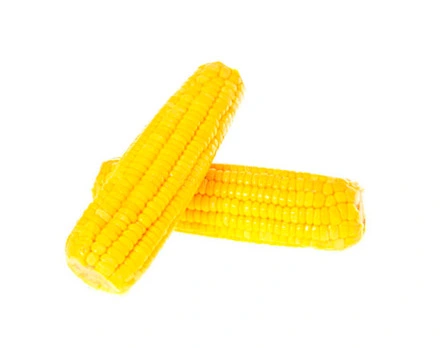
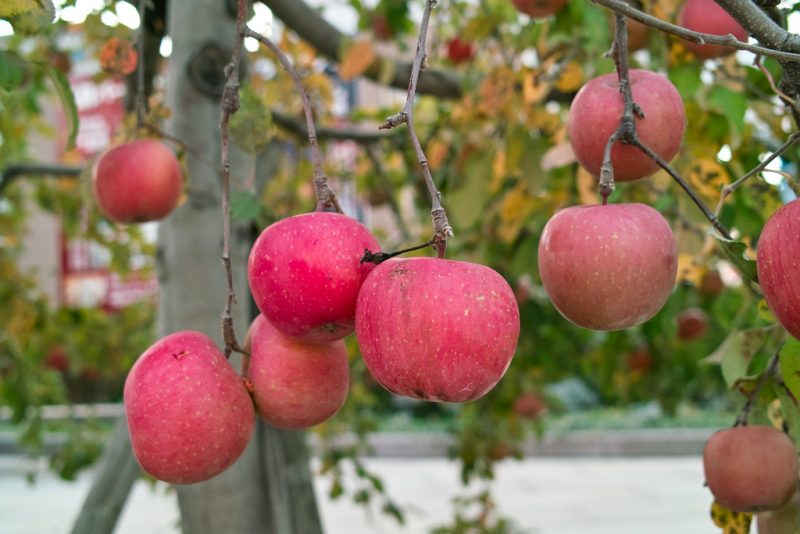
For tumor patients, a low-fructo saccharides diet is very necessary. Excessive consumption of fruits, honey, beverages, candies and high-fructose corn syrup with high fructose should be avoided. In clinical practice, intravenous supplementation of fructose for tumor patients is also inadequate.
Animal studies found that high fructose diet inhibits the expression of insulin receptor, inhibit insulin signal conduction, organization of the insulin receptor phosphorylation levels, protein tyrosine phosphatase activity increases, the inhibition of insulin signal transduction, downstream induced liver fatty acid, cause that skeletal muscle insulin resistance and hyperinsulinemia It provides a metabolic microenvironment conducive to tumor growth.
High fructo saccharides diet causes significant changes in lipid metabolism, increases triglyceride, plasma total cholesterol, low density and very low density lipoprotein cholesterol and free fatty acid levels, and induces a series of metabolic syndrome, which promotes the occurrence and progression of various tumors and poor prognosis of tumor patients.
As an isomers of glucose, fructo saccharides is a good carbon source for tumor cells, which provides material basis for the synthesis of phospholipids and triglycerides in tumor cells. Glyceraldehyde-3-phosphate enters glycolysis pathway for metabolism, and finally enters the tricarboxylic acid cycle. Acetyl co A, an intermediate metabolite, is an important carbon source for fatty acid synthesis.
The intermediate products of fructose metabolism provide 5-phosphate ribose for the synthesis of ribose by tumor cells, which can be converted into pyruvate in tumor tissues, and then converted into a variety of amino acids to help tumor growth.
Reactive oxygen species (ROS) will be produced in the process of cell growth. Excessive ROS can destroy proteins and lipids in cells. If ROS cannot be removed in time, it will promote the carcinogenesis of cells.
Fructose is more likely to induce ROS production than other sugars, which may be related to the increase of ROS producing enzyme activity and the decrease of ROS inhibiting enzyme activity.
Inflammatory reaction induces tumor and promotes malignant transformation of tumor. Fructose promotes tumor development by increasing the body's inflammatory response. Adipose tissue can secrete a variety of inflammatory factors including IL-6 and TNF-α. High fructo saccharides intake may directly or indirectly promote inflammatory response.
High fructose intake can up-regulate the circulating inflammatory factors such as IFN-γ, IL-1, IL-6 and TNF-α. Fructose increases reactive oxygen species (ROS) in tumor cells, which will be generated during cell growth. Excessive ROS can destroy proteins and lipids in cells, or form DNA adducts. If ROS cannot be removed in time, it will promote canceration of cells.
Fructose may induce the production of reactive oxygen species more easily than other sugars during metabolism, which may be related to the increase of the activity of the enzyme producing reactive oxygen species and the inhibition of its activity decrease. By inhibiting the expression of insulin receptors and the transmission of insulin signals, high-fructo saccharides diet aggravates the insulin resistance of tumor patients, exacerbates the disorder of glucose metabolism in tumor bearing bodies, and provides a favorable metabolic microenvironment for tumor growth.