We often see the four words "fructo-oligosaccharides" (FOS) on the nutrition labels of various foods, but few people know what they are? What is the use of adding it to food? Today we will unveil its "mystery".
1.Fructooligosaccharides
Fructooligosaccharides are functional oligosaccharides with fructose groups linked by β(2→1) glycosidic bonds and with a degree of polymerization of 2 to 9. That is to say, 1 to 4 fructose groups are connected to the D-fructose group of sucrose with β-2,1 bonds to form fructotriose (GF 2 ), fructotriose (F 3 ), and fructotetraose ( A mixture of GF 3 ), fructotetraose (F 4 ), fructopentose (GF 4 ), fructopentose (F 5 ), fructohexaose (GF 5 ) and fructohexaose (F 6 ). According to the structure, it is divided into sucrose-fruit-type fructooligosaccharides and fructo-fruit-type fructooligosaccharides.
2.The role of fructooligosaccharides
Since it is a functional oligosaccharide, as the name suggests, its function will be very powerful.
First of all, as a kind of water-soluble dietary fiber, fructo-oligosaccharide is made from inulin and refined through the hydrolysis of inulin endonuclease. If taken for a long time, it is beneficial to the human body.
Secondly, fructooligosaccharides are considered to be a new generation of additives with great potential – biostimulants, which have the following physiological functions.
Improve intestinal tract
Fructooligosaccharide is an activation and proliferation factor of intestinal bifidobacteria, which can reduce the production of putrefactive substances in the intestine, inhibit the growth of harmful bacteria, regulate intestinal balance, promote intestinal peristalsis, and prevent constipation and diarrhea.
Promote nutrient absorption
Fructooligosaccharides will be fermented by bacteria in the large intestine to generate L-lactic acid, which can dissolve calcium, magnesium, iron and other minerals and promote the body's absorption of minerals.
Improve lipid metabolism
Fructooligosaccharide is an excellent water-soluble dietary fiber that can effectively reduce the amount of serum cholesterol, triglycerides, and free fatty acids. It is also good for a series of cardiovascular diseases such as hypertension and arteriosclerosis caused by high blood lipids. improvement effect.
3.Application of fructooligosaccharides in food
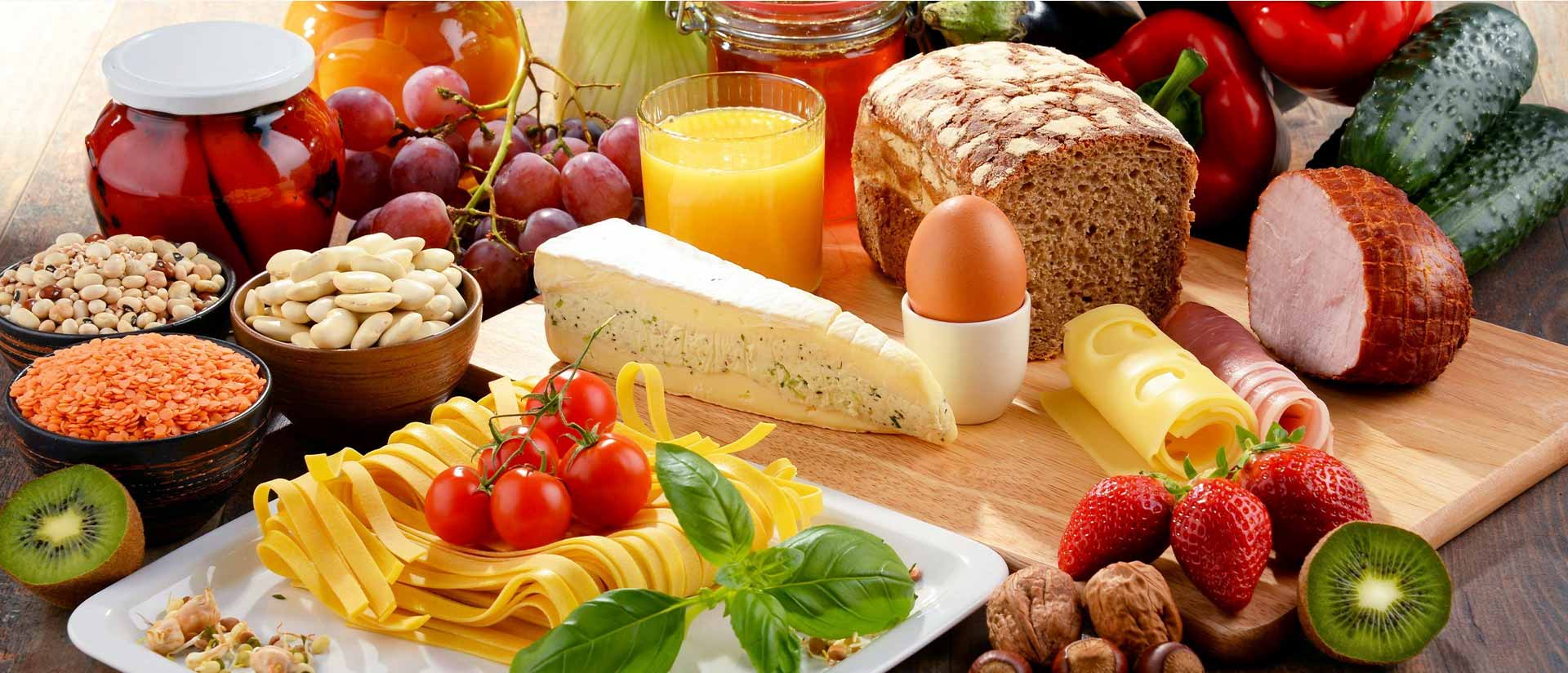
As a novel oligosaccharide with powerful physiological functions, fructooligosaccharide can be used as a raw material for food sweeteners, moisturizers and health foods, and is widely used in various foods and health products.
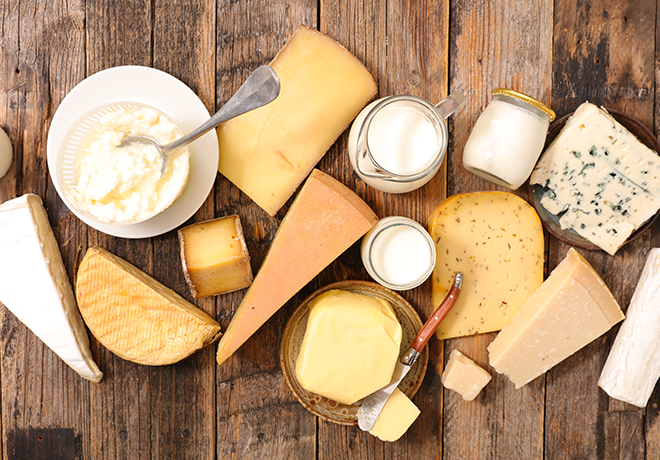
Applications in dairy products
Adding fructo-oligosaccharides to fermented dairy products can provide a nutrient source for probiotics such as Bifidobacteria, increase the number of viable probiotics in the product, and extend the shelf life. Adding fructo-oligosaccharides to non-fermented dairy products (raw milk, milk powder, etc.) can effectively alleviate symptoms such as internal heat and constipation in middle-aged, elderly and children when supplementing nutrition.
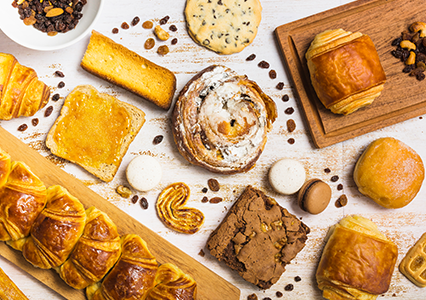
Application in cereal foods
The Maillard reaction of fructooligosaccharides is used to give baked goods good flavor and attractive color, improve their brittleness, and facilitate puffing. In addition, adding an appropriate amount of fructooligosaccharides to bread can produce moisturizing effects, delay starch aging, prevent food from hardening, make it soft and delicious, and extend shelf life.
Application in candy and beverages
Fructooligosaccharides are added to candies and beverages to improve product taste and reduce food caloric value.
Application in wine
Adding fructooligosaccharides to alcoholic products can prevent the contents of the wine from settling, improve the clarity of the wine, enhance the flavor of the wine, and make the wine taste more mellow and refreshing.
Application in health care products
Adding fructooligosaccharides to health products can not only improve the efficacy of the product, but also improve the taste of the product.
4.Detection method of fructooligosaccharides
Fructooligosaccharides are used in such a wide range of applications, so it is particularly important to accurately detect the content of fructooligosaccharides in foods. Domestic detection methods for fructooligosaccharides are constantly improving. Currently, they mainly include liquid chromatography and ion chromatography.
Liquid chromatography
Liquid chromatography is one of the commonly used methods for detecting fructooligosaccharides. Its principle is to separate each component through a chromatographic column, and display the peak values of each component on a high-performance liquid chromatograph. According to the retention Time was quantified using the external standard method or the area normalization method. It has the advantages of simple operation, rapid operation and good separation effect.
The disadvantage is that the liquid chromatography method in GB/T 23528-2009 "Fructooligosaccharides" is only suitable for the detection of fructooligosaccharide products using sucrose or Jerusalem artichoke and chicory as raw materials. There is no standard sample for fruit-fruit-type fructo-oligosaccharides, and the peak area normalization method can only be used to calculate the content of fructo-oligosaccharides using Jerusalem artichoke and chicory as raw materials.
Ion chromatography
The principle is that the sucrose in the sample is hydrolyzed into glucose and fructose by sucrase, reduced to the corresponding sugar alcohols by sodium borohydride, and the excess sodium borohydride is neutralized with acetic acid. The fructan in the sample solution is hydrolyzed by fructanase into fructose and glucose. The fructose content is measured using an ion chromatography-pulse amperometric detector. The fructan content is converted into fructose through a conversion coefficient. Compared with liquid chromatography, ion chromatography has the same advantages as better selectivity, less toxic reagents, and is more environmentally friendly. It is currently the main method for detecting fructooligosaccharides.
The disadvantage is that this method is only suitable for the determination of products with added fructooligosaccharides alone. Because fructo-oligosaccharide is fructose converted by the average degree of polymerization n=4, if polyfructose (n=23) or inulin (n=10) is added at the same time, the n value cannot be determined.
In general, fructooligosaccharides are a promising natural active ingredient. As the physiological functions and effects of fructooligosaccharides continue to be studied and discovered, its application as a functional food is also expanding. In the future, the research and application of fructooligosaccharides will drive the development of medicine, food, health care and other related industries, which has practical and far-reaching significance for improving people's living standards and promoting the development of the national economy.