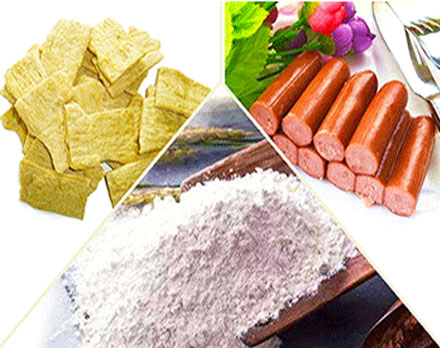
Soy fiber protein, derived from soybeans, has gained popularity as a nutritious and sustainable alternative to animal-based protein sources. As the demand for plant-based foods continues to rise, understanding the journey of soy fiber protein from its origins in the soybean plant to its presence on our plates becomes essential. In this blog, we will explore the fascinating journey of soy fiber protein, its production process, and the benefits it offers as a valuable plant-based protein source.
The journey of soy fiber protein begins with the cultivation of soybeans. Soybean plants are legumes that thrive in various climates, making them an accessible and sustainable crop in many regions worldwide. Soybeans are a rich source of essential nutrients, including protein, fiber, healthy fats, vitamins, and minerals. They serve as a nutritious foundation for various soy-based products, including soy fiber protein.
Once the soybeans reach maturity, they are harvested and transported to processing facilities. Here, they undergo cleaning to remove any impurities or foreign materials. A significant portion of soybeans' oil content is separated through a mechanical extraction process, yielding soybean oil. The remaining soybean meal contains protein, fiber, and other valuable components. The soybean meal undergoes a separation process to isolate soy protein. This is achieved by removing the fiber and other non-protein components through various techniques such as precipitation, filtration, and centrifugation. The isolated soy protein is then processed into soy fiber protein through additional steps, including drying and milling. This yields a concentrated protein product that is versatile and easy to incorporate into various foods.
Soy fiber protein is considered a complete protein, containing all essential amino acids that the human body needs. It is an excellent alternative for individuals following vegetarian or vegan diets. Soy fiber protein is known for its heart-healthy properties. Studies have shown that soy protein can help lower LDL cholesterol levels, reducing the risk of heart disease. The fiber content in soy fiber protein provides essential dietary fiber, promoting digestive health and aiding in regular bowel movements.
The journey of soy fiber protein from the soybean plant to our plates is a remarkable exploration of sustainable and nutritious food production. With its abundance of essential nutrients, soybeans serve as the building blocks for soy fiber protein, a complete plant-based protein source. The versatility of soy fiber protein makes it a valuable ingredient in various culinary applications, ranging from plant-based meat alternatives to bakery products. As the world continues to embrace sustainable and plant-based eating, soy fiber protein stands as a shining example of how innovation and nutrition come together to shape the future of our food choices.