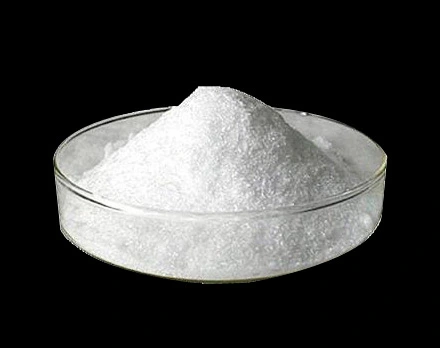
Erythritol is a naturally occurring sugar alcohol that is found naturally in some fruits such as grapes and pears. It is commonly used as a sugar substitute due to its sweetness, which is about 70-80% as sweet as table sugar (sucrose). Erythritol has an incredibly low-calorie count, containing only 0.2 calories per gram, making it an attractive option for those looking to manage their weight.
In addition to being a low-calorie alternative, erythritol may offer some potential benefits. Some studies have suggested that erythritol exhibits antioxidant properties, which can help combat free radicals in the body and reduce oxidative stress. Erythritol has also been found to have a prebiotic effect, meaning it can stimulate the growth of beneficial bacteria in the gut, promoting a healthy digestive system. These potential benefits make erythritol an enticing sugar substitute for individuals looking for a healthier and more wholesome option.
Erythritol is an attractive alternative sweetener for those looking to reduce their calorie intake, manage their blood sugar levels, and maintain oral health. Its low-calorie content, negligible impact on blood sugar, and potential health benefits make it an appealing option for many people.
While erythritol is generally considered safe, some individuals may report gastrointestinal issues when consumed in large quantities. Due to its structure, the body struggles to digest erythritol effectively, leading to symptoms such as bloating, gas, and diarrhea, especially when consumed in excess. However, these side effects are usually mild and temporary, and most people tolerate moderate amounts of erythritol without any issues.
However, it is worth noting that, like with any food product, some people may experience digestive discomfort when consuming erythritol in large quantities. According to a new study, erythritol has been linked to blood clotting, stroke, heart attack and death. “The degree of risk was not modest,” said lead study author Dr. Stanley Hazen, director of the Center for Car-diovascular Diagnostics and Prevention at the Cleveland Clinic Lerner Research Institute. People with existing risk factors for heart disease, such as diabetes, were twice as likely to experience a heart attack or stroke if they had the highest levels of erythritol in their blood, according to the study, published in the journal Nature Medicine. “If your blood level of erythritol was in the top 25% compared to the bottom 25%, there was about a two-fold higher risk for heart attack and stroke. It’s on par with the strongest of cardiac risk factors, like diabetes,” Hazen said.
Additional lab and animal research presented in the paper revealed that erythritol appeared to be causing blood platelets to clot more readily. Clots can break off and travel to the heart, triggering a heart attack, or to the brain, triggering a stroke. “This certainly sounds an alarm,” said Dr. Andrew Freeman, director of cardiovascular prevention and wellness at National Jewish Health, a hospital in Denver. “There appears to be a clotting risk from using erythritol,” Freeman said. “Obviously, more research is needed, but in an abundance of caution, it might make sense to
limit erythritol in your diet for now.”
While erythritol may be safe for most people, it is essential to include it as part of a balanced and varied diet. Relying solely on erythritol to sweeten your foods and beverages may lead to an overly processed diet, which is not ideal for optimal health. It is always advisable to moderate your intake of any sugar substitutes, including erythritol, and opt for whole, unprocessed foods as the primary source of nutrition. Remember, moderation is key when using erythritol or any other sugar substitutes, and incorporating it as part of a balanced diet is highly recommended.