As we delve into the world of nutrition and wellness, it's not uncommon to come across terms that sound like they belong in a chemistry lab. One such term is "resistant maltodextrin." But don't let the scientific jargon intimidate you – this fiber-rich superfood is worth getting to know. In this article, we'll demystify resistant maltodextrin, exploring its benefits, uses, and why it's becoming a staple in many health-conscious diets.
Maltodextrin, in general, is a type of carbohydrate derived from starch, typically corn, potato, or wheat. However, not all maltodextrins are created equal. Resistant maltodextrin, also known as soluble fiber or resistant starch, is a specific type that resists digestion in the small intestine. This means it doesn't get broken down into simple sugars, unlike regular maltodextrin. Instead, it travels to the large intestine, where it's fermented by the gut microbiome, producing beneficial short-chain fatty acids.
Prebiotic Powerhouse: Resistant maltodextrin acts as a prebiotic, feeding the good bacteria in your gut, promoting a balanced gut microbiome. This, in turn, boosts your immune system, improves digestion, and even supports mental health.
Blood Sugar Control: By slowing down the digestion of carbohydrates, resistant maltodextrin helps regulate blood sugar levels, making it an excellent addition to diabetic diets.
Weight Management: As it's not fully digested, resistant maltodextrin provides a feeling of fullness, reducing hunger and supporting weight loss efforts.
Improved Regularity: The fermentation process helps regulate bowel movements, alleviating constipation and promoting a healthy gut rhythm.
Research has shown that resistant maltodextrin:
Increases the production of butyrate, a short-chain fatty acid with anti-inflammatory properties(1)
Enhances the growth of beneficial bacteria, such as Bifidobacterium and Lactobacillus(2)
Lowers the glycemic index of meals, reducing the risk of insulin resistance(3)
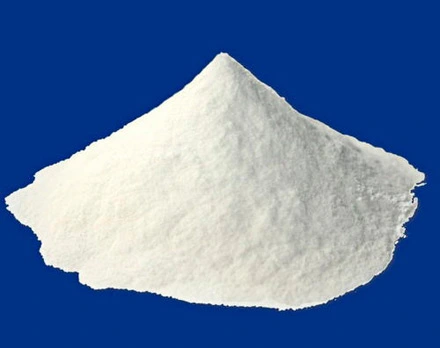
Supplements: Available in powder or capsule form, resistant maltodextrin supplements can be easily added to your daily routine. Start with a small dose (1-2 grams) and gradually increase as your body adapts.
Food Sources: While not as abundant as other fibers, resistant maltodextrin can be found in small amounts in cooked and cooled potatoes, rice, and legumes. Cooking and then cooling these foods increases their resistant starch content.
Functional Foods: Look for products like energy bars, granola, and yogurt that incorporate resistant maltodextrin as an ingredient.
Gradual Introduction: Introduce resistant maltodextrin gradually to allow your gut microbiome to adjust. This minimizes potential side effects like bloating or gas.
Hydrate: Adequate water intake helps soluble fiber move through the digestive system, ensuring optimal fermentation.
Combine with Other Fibers: Pair resistant maltodextrin with other fiber sources, like fruits and vegetables, to create a synergistic effect.
Athletes and Fitness Enthusiasts: Resistant maltodextrin can help with energy production, endurance, and post-workout recovery.
Busy Professionals: This fiber-rich superfood supports a healthy gut, reducing stress and increasing productivity.
Health-Conscious Individuals: Incorporate resistant maltodextrin into your diet to promote overall wellness and weight management.
Taste and Texture: Resistant maltodextrin is neutral in taste and odor, making it an easy addition to your favorite recipes.
Gas and Bloating: While possible, these side effects are generally mild and temporary, subsiding as your gut adapts.
Resistant maltodextrin is more than just a scientific term – it's a game-changer for your gut health and overall well-being. By understanding its benefits, uses, and practical applications, you can harness its power to:
Support a balanced gut microbiome
Regulate blood sugar levels
Promote weight loss and management
Improve digestion and regularity
Incorporate resistant maltodextrin into your daily routine, and experience the transformative effects of this fiber-rich superfood for yourself.
(1) "Resistant starch and butyrate production" (Journal of Agricultural and Food Chemistry, 2018)
(2) "Resistant starch and gut microbiota" (Nutrients, 2019)
(3) "Resistant starch and glycemic index" (American Journal of Clinical Nutrition, 2015)