As we become more health-conscious, many of us are turning to sugar substitutes to satisfy our sweet tooth without compromising our dietary goals. Among the array of artificial sweeteners available, maltitol has gained popularity in recent years. But what exactly is maltitol, and is it a safe and healthy alternative to sugar? In this article, we'll delve into the world of maltitol, exploring its benefits, drawbacks, and practical uses to help you make informed choices.
What is Maltitol?
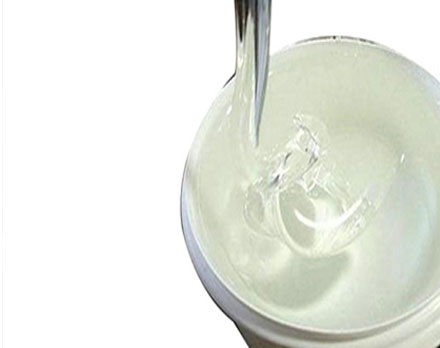
Maltitol is a sugar substitute derived from maltose, a type of sugar found in grains like barley, wheat, and rice. It's classified as a polyol, a category of sugar alcohols that are commonly used as low-calorie sweeteners. Maltitol is approximately 75-90% as sweet as sugar, making it a popular choice for food manufacturers and consumers alike. This sweetener is widely used in sugar-free candies, chocolates, baked goods, and even some pharmaceutical products.
Benefits of Maltitol
1. Low Calorie Count: Maltitol contains only 2.1 calories per gram, compared to sugar's 4 calories per gram. This significant reduction in calories makes it an attractive option for those watching their weight or managing blood sugar levels.
2. Tooth-Friendly: Unlike sugar, maltitol doesn't contribute to tooth decay or other oral health issues. It's even approved by the American Dental Association as a tooth-friendly sweetener!
3. Low Glycemic Index: Maltitol has a negligible effect on blood sugar levels, making it suitable for people with diabetes or those who want to regulate their blood sugar.
4. Wide Availability: You can find maltitol in various products, from sugar-free gum to low-carb baked goods, and even in some medications.
Potential Drawbacks and Side Effects
1. Digestive Issues: Some individuals may experience gastrointestinal problems, such as bloating, gas, or stomach discomfort, due to maltitol's slow digestion rate. This is because the body can't fully absorb it, leading to fermentation in the gut.
2. Sugar Cravings: Maltitol can trigger sugar cravings in some people, potentially undermining weight loss efforts or healthy eating habits.
3. Impact on Gut Health: Research suggests that maltitol might alter the gut microbiome, potentially affecting the balance of good bacteria in the digestive system.
4. Not Suitable for Everyone: People with irritable bowel syndrome (IBS) or other digestive disorders should approach maltitol with caution, as it can exacerbate symptoms.
Practical Uses and Tips
1. Baking with Maltitol: When substituting sugar with maltitol in recipes, reduce the amount used by 10-20% to avoid an overly sweet taste. Also, note that maltitol can make baked goods more dense and dry.
2. Combining with Other Sweeteners: Maltitol pairs well with other sugar substitutes like stevia or erythritol to create a balanced flavor profile.
3. Choosing Maltitol Products: Opt for products with a low maltitol content (<5g per serving) to minimize potential digestive issues.
4. Label Reading: Be aware of hidden sources of maltitol in foods, such as "sugar-free" or "low-carb" products, and always check the ingredient list.
Maltitol vs. Other Sugar Substitutes
Maltitol is often compared to other popular sugar substitutes like xylitol, erythritol, and sorbitol. Here's a brief rundown:
· Xylitol: Similar to maltitol, but with a more pronounced cooling sensation and a higher chance of digestive issues.
· Erythritol: Has a negligible effect on blood sugar and is more easily digestible than maltitol, but may cause stomach upset in large quantities.
· Sorbitol: Less sweet than maltitol, with a higher calorie count and more pronounced laxative effects.
Real-Life Applications and Recipes
1. Sugar-Free Chocolate Truffles: Combine melted chocolate, heavy cream, and maltitol for a decadent treat. Chill, then roll into bite-sized balls and enjoy!
2. Low-Carb Granola: Mix rolled oats, nuts, seeds, and maltitol for a sweet and crunchy snack.
3. Maltitol-Sweetened Yogurt: Blend Greek yogurt, maltitol, and vanilla extract for a healthy dessert or snack.
Conclusion
Maltitol can be a valuable addition to your sugar-free arsenal, but it's essential to be aware of its potential drawbacks and use it responsibly. By understanding its benefits and limitations, you can make informed choices and incorporate this artificial sweetener into your daily life. Remember to:
· Start with small amounts to test your tolerance
· Monitor your body's response to maltitol
· Balance it with other sweeteners for optimal flavor
· Explore recipes and products with caution
As you navigate the world of sugar substitutes, keep in mind that moderation is key. A balanced diet with whole foods and mindful consumption of artificial sweeteners will always be the best approach to a healthy lifestyle. Happy cooking and snacking!