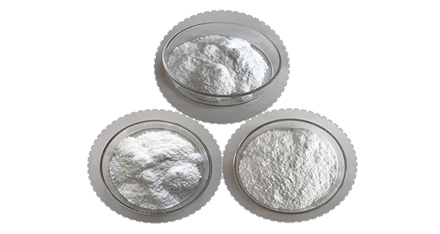
Efforts have been made to develop a low-viscosity water-soluble dietary fiber that has the same powdery properties and processing adaptability as sugar or powdered sugar. The soluble corn fiber has relatively low viscosity and sweetness, and more than 95% dietary fiber content. It also has superior acid resistance and heat resistance, and can be widely used in dairy products, health products, flour products, and meat products.
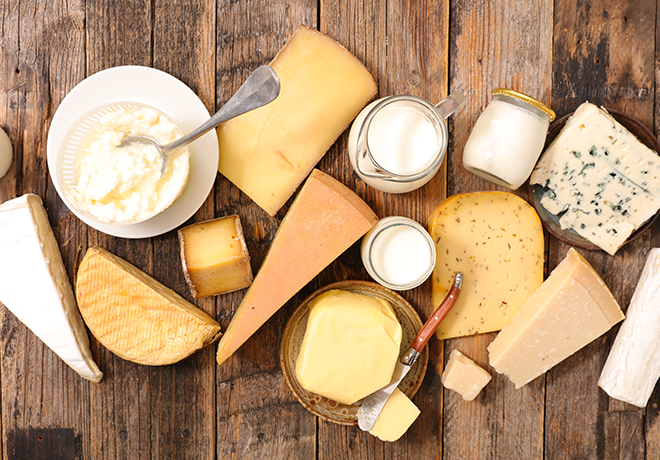
Soluble corn fiber (resistant dextrin) can be added as simply as sugar or sugar without affecting the original flavor of the food, so it can be used to make dietary fiber-fortified dairy products or milk drinks that supplement dietary fiber. Due to its solubility, corn fiber (resistant dextrin) has a similar taste to fat and is low in calories. It can also be used as a low-calorie maltodextrin that matches the flavor of dairy products. For example, it can replace part of the sugar or fat to prepare low-calorie ice cream and low-fat yogurt drinks, etc. In recent years, the consumption of fermented milk and lactic acid drinks has increased, and the addition of soluble corn fiber (resistant dextrin) has made the biological functions of resistant dextrin and beneficial intestinal bacteria such as lactic acid bacteria and bifidobacteria more abundant. The functions are brought into full play, resulting in a great multiplication effect.
2.1 Health food for diabetics
Appropriate adjustment of dietary structure is the most important method to prevent and treat diabetes. Soluble corn fiber (resistant dextrin) can delay gastric emptying and form a mucosa in the gastrointestinal tract, which slows down the digestion and absorption of food nutrients. Soluble corn fiber (Resistant dextrin) will adsorb glucose and slow down absorption. In this way, the sugar in the blood can only increase slowly. And a slight lack of insulin will not cause an immediate increase in blood sugar concentration. Soluble corn fiber (resistant dextrin) also has Inhibits glucagon secretion. Studies have shown that daily intake of a certain amount of soluble corn fiber (resistant dextrin) can effectively prevent symptoms of diabetes.
2.2 Health food for people with constipation
Soluble corn fiber (resistant dextrin) is currently widely used as a health food for regulating microecological balance and laxative. As a type of water-soluble dietary fiber, soluble corn fiber (resistant dextrin) can promote intestinal bifidum. Bacillus, Lactobacillus and other beneficial bacteria also produce a large amount of short-chain fatty acids, such as acetic acid, acetic acid, folic acid and lactic acid, which change the intestinal pH value and improve the breeding environment of beneficial bacteria, thereby accelerating intestinal peristalsis and reducing the occurrence of constipation.
Bifidobacteria in the body of infants and young children, especially after weaning, decrease sharply, leading to diarrhea, anorexia, developmental retardation and also reduction of nutrients utilization. Eating soluble corn fiber (resistant dextrin) foods can improve the utilization of nutrients and promote trace elements absorption such as calcium absorption, iron and zinc.
Adding different types of dietary fiber to bread, steamed buns, rice and noodles can increase and improve the color of the bread. Adding 3% to 6% dietary fiber to the flour can strengthen the dough and make the steamed buns taste good with a special aroma. The strength of raw noodles is weakened after adding it, but the strength increases after cooking. Generally, noodles after adding the corn fiber have good toughness and can withstand cooking and soaking. Biscuits and pastries have a large amount of sugar and oil in the preparation, and the moisture content is relatively low, which is more necessary to add dietary fiber. Biscuit baking has very low requirements on the quality of flour gluten, which makes it easier to add resistant dextrin in a large proportion and more conducive to making a variety of health-care biscuits with biscuits with fiber functions. Pastries contain a lot of water during production, which will solidify into soft products during baking and affect the quality. Water-soluble resistant dextrin is added to pastries to keep the product soft and moist, increasing the shelf life and extending the shelf storage time.
Dietary fiber and protein interact through salt and hydrophobic bonds to form a thermally stable gel. The complex formed by the interaction between soluble corn fiber (resistant dextrin) and protein is a new type of gel. Moreover, soluble corn Fiber (resistant dextrin) can also absorb aroma substances and prevent the volatilization of aroma substances. Adding a certain amount of dietary fiber can improve product yield and enhance taste and quality; water-soluble dietary fiber can be used as an excellent fat substitute to produce ham sausage with high protein, high dietary fiber, low fat, low salt and low calories with health care functions.