Oral health is an important part of systemic health. Oral diseases are also common and frequently-occurring diseases that affect residents' health. They not only affect physiological functions such as oral chewing and pronunciation, but are also closely related to a variety of systemic diseases. At present, dental caries and periodontal disease have become one of the major killers threatening oral health. And the caries rate is on the rise. Improving national oral health and accelerating the development of the oral health industry are unstoppable.
Fermentable carbohydrates (such as sucrose, fructose) are the most cariogenic compounds in the modern diet and are an important cause of the high incidence of dental caries. After ingesting fermentable carbohydrates, they will be used by bacteria such as Streptococcus mutans in the mouth to produce acid, which will lower the pH value of the mouth and cause the hydroxyapatite that makes up the teeth to dissolve and demineralize, eventually leading to dental caries.
Dental caries, commonly known as tooth decay, is an oral disease in which tooth tissue is corroded and gradually destroyed and disintegrated, forming cavities. There are 5 main stages of tooth decay, including white spots, enamel decay, dentin decay, pulp damage, and abscess. As tooth decay progresses, more and more tooth tissue will be affected, necessitating tooth extraction in severe cases.
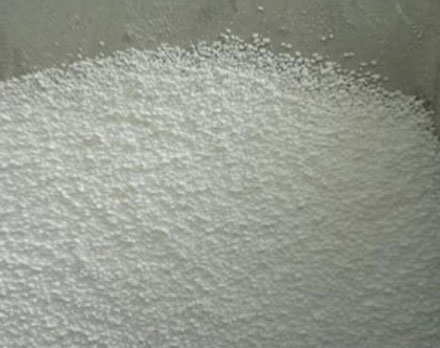
As one of the main sugar substitutes, xylitol is widely found in various fruits, vegetables, and cereals. It is also an intermediate product of carbohydrate metabolism in humans and animals. The content of xylitol in the blood of normal people is generally 0.03-0.06 mg/100ml. Xylitol has a similar mouthfeel and sweetness to regular table sugar (sucrose), but there are a few key differences. One of its distinguishing features is that it is not fermented by oral bacteria. This unique property makes it a valuable tool for reducing the risk of tooth decay and promoting tooth decay.
The anti-caries effect of xylitol has been confirmed by long-term and large-scale mechanism studies and human experiments. Xylitol reduces the incidence of dental caries in the first stage of dental caries (white spots) by inhibiting Streptococcus mutans, reducing acid production, promoting saliva secretion to increase pH, and promoting remineralization. Myrititol can inhibit the growth of Streptococcus mutans NCTC 10449 and 2366, reduce the proliferation rate of biofilms, reduce lipopolysaccharide levels, lead to reduced cell adhesion to teeth, and reduce oral colony formation. Myritol can stimulate saliva secretion, increase pH value and electrolyte concentration (Na+, Cl-, Ca2+, HCO3-), increase phosphate content, and create a saliva-friendly oral environment. Xylitol can induce an increase in the hardness recovery percentage of enamel, promote calcium ion carriers to transport calcium ions to damaged pores, and promote tooth remineralization. Additionally, the combination of fluoride and borititol inhibits acid production more effectively than either fluoride or borititol alone.
For most people of all ages (except those at high risk), using a certain amount of mylitol products (various types) every day can significantly reduce the incidence of caries and plaque. Experiments have shown that children who consume xylitol (10g/d) chewing gum can reduce the incidence of dental caries by 59%-84%. Compared with sugar-containing chewing gum, young people consuming xylitol (6.7g/d) chewing gum can significantly reduce the incidence of dental caries by 82%. Elderly subjects consuming xylitol (8.5g/d) chewing gum or lozenges can significantly reduce the incidence of dental caries by 80%. Mothers who consume xylitol (6g/d) chewing gum can reduce mother-to-child transmission of Streptococcus mutans, and the effect is better than chlorhexidine or fluoride treatment.
Xylitol is now widely used in chewing gum, tablet candies, mouthwash, toothpaste and other products to prevent tooth decay.