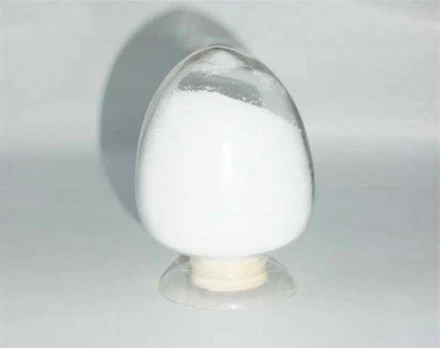
There is something called xylan in the cell wall of plants. It is extracted through high-pressure cooking or steam treatment, and then degraded with xylanase extracted from bacteria to obtain xylo-oligosaccharides. Xylo-oligosaccharides were first successfully developed in Japan in 1989 and were approved as specific health foods. Xylo-oligosaccharides have also been approved as new food ingredients by China.
There are an extremely large number of bacteria living in the human body, which are divided into beneficial bacteria, harmful bacteria and useless and harmless bacteria. In recent years, with changes in human diet, the number of beneficial bacteria in many people has begun to decrease, while the number of harmful bacteria has begun to increase. The increase of harmful bacteria will affect people's health. Prebiotics such as xylo-oligosaccharides and fructooligosaccharides are food for beneficial bacteria. Once beneficial bacteria have food, they begin to increase, suppress harmful bacteria, improve the microecological environment, and thereby improve human health.
Bifidobacterium factor, also known as bifidobacteria growth-promoting factor, bifidogenic stimulating factor, bifidogenic proliferation factor, etc. Broadly speaking, substances that can proliferate bifidobacteria in the body are bifid factors. In the food industry, bifidus factors mainly refer to oligosaccharides and polysaccharides that are not digested and absorbed by the human body.
Xylo-oligosaccharide prebiotic syrup is compounded from two highly effective bifidus factors through scientific research. The main raw material is xylo-oligosaccharide, also known as xylo-oligosaccharide, which is a functional polymeric sugar composed of 2-7 xylose molecules bound by β-1,4 glycosidic bonds. It has very good health care effects. A small amount of daily intake can play a very good role in the proliferation of Bifidobacterium, one of the beneficial bacteria in the human body, thereby achieving health care effects. It can selectively promote the proliferation activity of intestinal bifidobacteria and has the strongest support for bifidobacteria-type probiotics. Xylo-oligosaccharides almost only serve it. It will cause the bifidobacteria in the intestine to multiply rapidly, so it is also directly called a bifid factor. Its bifid factor function is 10-20 times that of other polymeric sugars, which is particularly targeted.
There are no enzymes in the human gastrointestinal tract that hydrolyze xylo-oligosaccharides. Therefore, the degradation rate of xylo-oligosaccharides by human digestive enzymes is extremely low (below 0.4%), and is almost not digested. Therefore, its energy value is almost zero and does not affect the digestion of xylo-oligosaccharides. It does not increase blood sugar concentration, does not increase insulin levels in blood sugar, and does not form fat deposits. Therefore, diabetics, obese patients and hypoglycemic patients can eat it with confidence. Since xylo-oligosaccharides are not digested, they can directly enter the large intestine and are preferentially utilized by bifidobacteria. Compared with other functional oligosaccharides, xylo-oligosaccharides have the highest colonic arrival rate, and are therefore the prebiotics (nutrients for probiotics) with the lowest effective intake to exert the same effect.
Bifidobacteria are the only beneficial bacteria in the human intestinal flora that produce neither endotoxins nor exotoxins, are non-pathogenic, and have many physiological functions. For example, it can improve vitamin metabolism, prevent intestinal dysfunction, inhibit the growth of harmful bacteria and pathogenic bacteria in the intestine, and play the role of anti-aging, preventing cancer and protecting the liver. The reduction or even disappearance of the number of bifidobacteria is a sign of the aging state of the human intestine. Xylo-oligosaccharide is one of the functional oligosaccharides with the best proliferation effect of bifidobacteria in the human intestine so far. It can selectively promote the proliferation activity of intestinal bifidobacteria, and at the same time produce a variety of organic acids, reduce intestinal PH value, stimulate intestinal peristalsis and improve intestinal motility. It is also known as the new "source of intestinal motility".