Sugar is the main substance that human body produces energy, and human life activities need the support of sugar. People's impressions of sugar are generally "sweet" and "calorie". Sugar is involved everywhere in our daily life, for example, sugar in our coffee, sugar in drinks, candy, sugar in fruits, snacks made of various sugars, and sugar granules. But do you know the classification of sugar? What kind of sugar do we see every day? How to choose different sugars according to your needs?
From the chemical point of view, sugar is mainly composed of three elements: carbon, hydrogen and oxygen. Because it is similar to the polymerization of carbon and water in chemical formula, it can also be called carbohydrate. According to the number of structural units, sugar can be divided into Monosaccharide, Disaccharide , Polysaccharide.
1/Monosaccharide
Monosaccharide is a kind of sugar with a particularly small molecular weight, and it is also the simplest sugar. It is the basic unit of molecules that constitute Disaccharide and Polysaccharide. Some of the sugar we usually eat can only be completely digested and absorbed by our body if it is broken down into Monosaccharides. It can be still divided into Glucose, Fructose, Galactose.
Glucose: fresh jujube, cakes, watermelons, apples, grapes, jackfruit and honey, they are easily absorbed into the blood, which can improve hypoglycemia and replenish energy for the body, but be careful not to over do it.
Fructose: cherry, peach, grapefruit, plum, orange, beverage. The lower the temperature of fructose, the greater the sweetness, that is, in terms of taste, the cooler the sweeter it is. Compared with other sugar products, the sweetness comes quickly and disappears quickly.
Galactose: milk, yogurt, cream, bread, biscuits, tomatoes. Some people lack lactase, which will lead to lactose intolerance, such as bloating and diarrhea. In this case, probiotics can be used to regulate intestinal flora, such as Dietary Fiber or Oligosaccharide.
2/Disaccharide
Disaccharide is a molecular aggregate composed of two monosaccharides, generally with 2~10 molecular units. For example, fructose and glucose in monosaccharides combine to form sucrose, glucose and glucose combine to form maltose, galactose and glucose combine to form lactose.
Sucrose
Sucrose is one of the basic food additives for human beings, which has a history of thousands of years. For example, rock sugar, white sugar, soft sugar and brown sugar. Widely used in cooking, drinks, snacks. Sucrose is decomposed into sugar and glucose in human digestive system through digestive juice, and is absorbed by human body in small intestine. Excessive sucrose intake can lead to tooth decay or obesity.
Maltose
Maltose is obtained by the action of malt containing amylase on starch. Many grains and fruits contain maltose, such as wheat, corn flour, barley, sweet potato and pear. These physical objects play an important role in the health of human intestinal flora, but excessive intake will lead to diabetes, obesity, heart disease and other problems.
Lactose
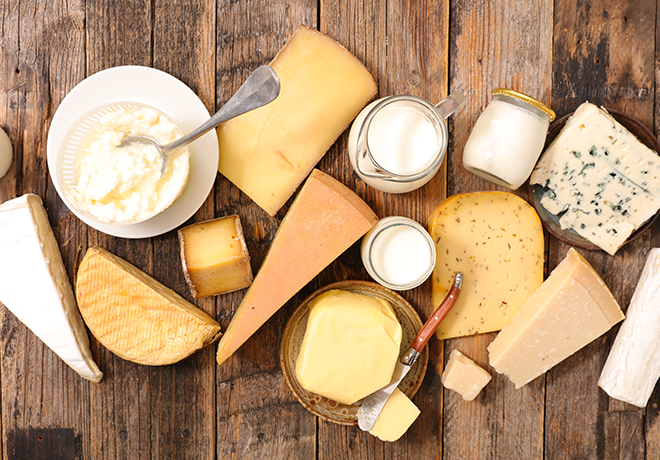
Lactose is a unique carbohydrate in the milk of human beings and other mammals, which can not only provide energy, but also participate in the process of brain development. There is a genetic disease in Asia called Lactose Intolerance. Because lactase cannot be secreted in the intestine, lactose will be decomposed into lactic acid by bacteria in the intestine, destroying the alkaline environment of the intestine and causing mild diarrhea. Various dairy products are rich in lactose.
3. Polysaccharide
Polysaccharide is a kind of sugar formed by gathering more than 10 identical monosaccharides. Such as starch and cellulose. Polysaccharide generally has antioxidant effect and immune function of conditioning constitution.
Starch
Starch is a high molecular carbohydrate polymerized from glucose. The foods with more starch in nature include potatoes, corn, flour, beans, pumpkins and cereals. It has a wide range of applications, and can be used in the production of dishes (thickening), industrial production (making sugar and alcohol), textiles (printing and sizing), manufacturing (paper sizing), biopharmaceuticals (tablet pressing) and so on.
Cellulose
As a polysaccharide, it is generally not absorbed by human body, but it can absorb a lot of water, promote gastrointestinal peristalsis and effectively improve metabolism. Like,meat, eggs, coarse grains, vegetables, beans, oatmeal, pumpkin. Diabetic patients can eat more foods rich in cellulose, which has a certain effect on lowering blood sugar and blood fat. Many dieters will also choose cellulose food with proper exercise to achieve the effect of losing weight.