The book "Production and Application of Xylitol" explains: Xylitol is native to Finland and is a natural sweetener extracted from plant raw materials such as birch trees, oak trees, corn cobs, and sugarcane bagasse. In nature, xylitol is widely found in various fruits, vegetables, and cereals, but the content is very low. Xylitol is a normal intermediate in human body’s carbohydrate metabolism. A healthy person, even if he does not eat any food containing xylitol, will contain 0.03-0.06 mg of xylitol per 100 mg of blood.
In a broad sense, xylitol belongs to carbohydrates, and in a narrow sense, it belongs to polysaccharide alcohols. Xylitol can only be slowly absorbed and partially utilized in the human body. It has the characteristics of low calories. It can be used as a good sweetener for people who are afraid of obesity, children's dental caries, and those who are afraid of sugar. It can be added to various foods like white sugar. At the same time, xylitol also has good moisturizing properties and is non-irritating to human skin, making xylitol popular among manufacturers in toothpaste, facial masks and other cosmetic products.
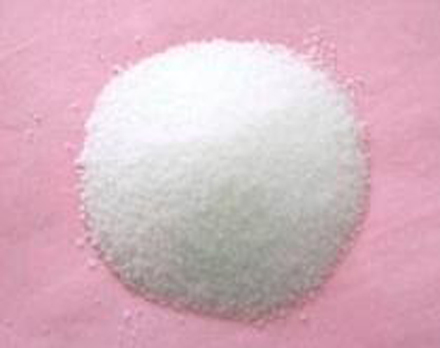
In fact, our common commercial product xylitol is produced from agricultural crops such as corn cobs and sugarcane bagasse. First, the hemicellulose xylan in the raw material is acidolyzed at high temperature to obtain monomeric xylose liquid, and then through a series of evaporation, purification, crystallization and other processes to obtain higher purity xylose. High-purity xylose is processed under high temperature, high pressure and metal nickel. Hydrogen atoms are added under catalysis to obtain xylitol liquid, which is then purified, crystallized, dried and other processes to obtain commercial xylitol.
So strictly speaking, commercial xylitol is a sweetener with natural properties and cannot be called a natural sweetener. Only sweeteners such as sucrose that are directly extracted without chemical reactions can be called natural sweeteners. But this does not affect the safety of xylitol. After decades of development, xylitol has been recognized by most countries around the world as a safe sweetener and can be consumed at recommended doses. Let me explain here, the recommended amount in my country is 50 grams per adult per day. Follow me to learn more about functional sugars.