The intestine is an important digestive organ of the human body and the scavenger of the human body. A person consumes approximately 70 tons of food in a lifetime, which is 1,000 times the weight of the human body. All ingested food is processed by the intestine. At the same time, the intestine is also an important ecosystem, home to hundreds of trillions of intestinal flora. The flora in the intestines can be roughly divided into beneficial bacteria, neutral bacteria and harmful bacteria. Beneficial bacteria are a type of bacteria that are beneficial to human health, such as bifidobacteria and lactobacilli, which can improve the intestinal environment and relieve constipation. Bifidobacterium lactis-B420 can help people lose weight. Studies have pointed out that the proportion of beneficial bacteria in the intestines of healthy people is as high as 70%, while that of ordinary people is 25%. Harmful bacteria are pathogenic bacteria that are harmful to the human body. For example, the Enterobacter cloacae can make people fat, and Bacillus and the like can produce substances harmful to the human body. Neutral bacteria are generally neither beneficial nor harmful to the human body, but when beneficial bacteria decrease and harmful bacteria increase, they can become harmful bacteria. For example, Escherichia coli can become pathogenic bacteria under certain conditions.
A large number of intestinal microbiome studies have shown that the intestinal flora in the human body can affect our health, physique, personality and even life span to a certain extent! The key to intestinal health lies in the ecological balance of beneficial and harmful bacteria.
MOS-Mannan Oligosaccharide.
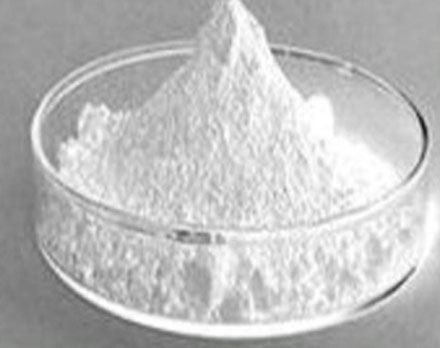
Mannose oligosaccharide is a new food ingredient approved by the National Health and Family Planning Commission in 2013. It is a new type of prebiotic that can activate and proliferate beneficial bacteria such as bifidobacteria and lactobacilli in large quantities. At the same time, it is also the only prebiotic that can resist exogenous pathogenic bacteria. It has a unique mannose receptor binding site and can interact with the mannose receptors on the surface of human intestinal cells, preventing the adhesion of harmful bacteria to the intestinal mucosal epithelium and achieves the elimination of pathogenic bacteria. MOS improves intestinal health by efficiently regulating the microecological balance of beneficial and harmful bacteria in the intestine.
MOS regulates intestinal flora.
1. Regulate beneficial and harmful bacteria.
Scientists have long begun to study the relationship between intestinal flora and obesity. In 2013, an experiment transplanted the intestinal flora of twin sisters into two experimental mice and fed them the same food (low-fat, high dietary fiber). After a period of time, the mice that got the "harmful bacteria" silently became fatter, while the little mice that got the "beneficial bacteria" remained slim. The "beneficial bacteria" and "harmful bacteria" present in the intestinal flora affect the body's fatness and weight! There are also experiments on the effects of different types of prebiotics (inulin, xylo-oligosaccharides, stachyose, galacto-oligosaccharides, and mannooligosaccharides) on intestinal beneficial bacteria (Lactobacillus plantarum, Lactobacillus carinii, Lactobacillus royi, Lactobacillus bulgaricus) and harmful bacteria (Enterobacter cloacae). The results showed that among different prebiotics, MOS could significantly proliferate the number of beneficial bacteria, and MOS could significantly inhibit the number of Enterobacter cloacae and Desulfovibrio.
2. The only prebiotic that absorbs pathogenic bacteria.
The first step for pathogenic bacteria to invade the human body is to adhere to epithelial cells through mutual recognition with human cells. This recognition process relies on mannose, because the surface of pathogenic bacteria cells contains mannose, and the surface of human cells has specialized Molecule that recognizes mannose. MOS can bind to molecules on the surface of human cells, thereby occupying the binding sites of pathogenic bacteria and preventing them from adhering to the cell surface. Experiments have shown that mannooligosaccharides have significant inhibitory effects on harmful bacteria Salmonella, Escherichia coli, and Clostridium perfringens.
3. Regulate intestinal ecological balance.
The intestinal flora mainly includes Bacteroidetes, Firmicutes, Proteobacteria, Actinobacteria and Verrucomicrobia. Two major phyla, Bacteroidetes and Firmicutes, constitute the majority of human intestinal bacteria. In adulthood, the ratio between Firmicutes and Bacteroidetes (F/B) is relatively stable. If the ratio increases, the intestinal flora will be imbalanced and may lead to various metabolic syndromes such as obesity and diabetes. Mannooligosaccharides can increase the abundance of Bacteroidetes (48.1%-58.5%), Verrucomicrobia (0.2%-4.8%), and Actinobacteria (0.3%-6.3%), and reduce the abundance of Firmicutes (35.1%-18.75).