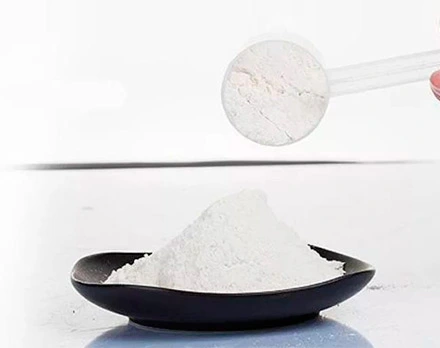
The utilization of oligosaccharide food is mainly to make a large number of beneficial bacteria in human or animal bodies to proliferate, and can suppress the propagation of non-beneficial bacteria, improving the disease prevention effect of animals or human beings. Or oligosaccharides is used to adsorb pathogenic bacteria, so that the pathogenic bacteria can not harm animals or human bodies, which is a new research trend in the recent food industry.
The probiotics has the proliferation effect on bifidobacteria and lactic acid bacteria in the intestinal tract of human or animal, but the beneficial bacteria of the probiotics should be able to build a beachhead in the intestinal tract and reproduce or stand in the population, it should have sufficient vitamin nutrients in addition to defeating the harmful bacteria living first. For example, lactic acid bacteria need to be supplied with glucose, lactose, lactulose and other nutrients in the intestinal tract of human or animal, then its lactobacillus acetotoleran can have sufficient proliferation and reproduction. However, nutrients such as glucose, lactose and the like are difficult to reach the large intestine part with more intestinal bacteria in the intestinal tract of human beings or animals, and are absorbed and utilized immediately, so that the bacteria in the probiotics are difficult to survive or multiply in large quantities.
If we can consider the proliferation of bacteria in the human body's own intestinal tract, it will be twice the result with half the effort. The basic condition for the prior beneficial bacteria to multiply and proliferate in large quantities is to supply nutrients that are not competitive with the absorption and utilization of the intestinal tract of animals. In other words, it supplies substances that can not be used by human or animal beings, but beneficial bacteria that live first can use this substance to proliferate and reproduce. Such substance are preferably oligosaccharides, such as isomaltose, isomaltotriose, panose, fructo-oligosaccharide product, grapefruit disaccharide, grapefruit trisaccharide, lactose, and galactose. All of the above are types of oligosaccharides. Therefore, oligosaccharides are known to be good nutrients for the proliferation and reproduction of beneficial bacteria in animal intestinal tract.
The role of oligosaccharides in health:
I. Niche for oligosaccharides:
(I) for humans, constipation can be improved.
(II) pigs with infectious gastroenteritis (TGE) can also alleviate all symptoms and tolerate disease after being fed with fructooligosaccharides.
2. Effects of oligosaccharides on intestinal bacteria:
(I) the harmful substances in cecal contents of pigs fed with 0.25% fructooligosaccharide content were reduced.
(II) after a white mouse eats fructooligosaccharides, the number of harmful substances in the intestinal tract decreased, but the number of bifidobacteria, a representive of beneficial bacteria, increased.
(III) the harmful substances in the intestinal tract of chickens fed with fructooligosaccharides were also reduced, and the odor in the feces was reduced, indicating that the beneficial bacteria could fully use the residual amino acids in the intestinal tract.