In the realm of culinary wizardry, where sweetness and magic converge, lies the enigmatic world of sugar substitutes. Among these sorcerers' tricks, maltitol syrup has earned a notable reputation for its ability to deceive our taste buds. But, behind the veil of sweetness, what secrets lie hidden? In this exposé, we'll delve into the mystical realm of maltitol syrup ingredients, separating fact from fiction, and perhaps, just perhaps, uncover the truth behind this sugar-free sorcery.
Maltitol Syrup: The Sweet Imposter
Maltitol syrup, a derivative of maltose, is a sugar substitute commonly employed in the confectionery industry. This sly imposter masquerades as sugar, mimicking its sweetness while dodging the caloric bullet. Its popularity stems from its reduced glycemic index, making it a darling among health-conscious consumers and sugar-sensitive souls. But, what does this wizard's brew comprise?
The Main Event: Maltitol
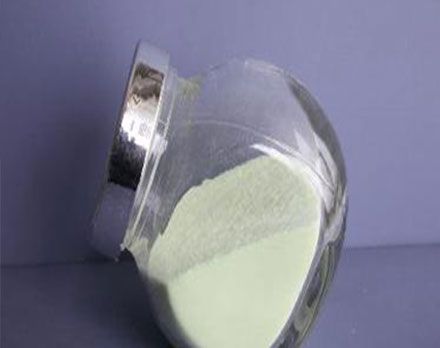
The star of the show, maltitol, is a sugar alcohol derived from maltose, a starch-extracted disaccharide. This naturally occurring sugar, found in germinating grains, undergoes a complex process of hydrogenation, transforming it into a low-calorie, sugar-like substance. With approximately 75-90% of sugar's sweetness, maltitol syrup becomes an attractive alternative for manufacturers seeking to reduce sugar content without sacrificing taste. However, its digestive fate is far from the prolonged, blissful union we imagine. Maltitol, being poorly absorbed, takes an unpredictable detour through the gut, often resulting in, ahem, "gaseous" consequences.
Supporting Acts: Water and Humectants
Water, the unsung hero, constitutes a significant portion of maltitol syrup. This hydrating humectant facilitates the dissolution of maltitol, creating a syrupy consistency reminiscent of honey. However, its role extends beyond mere liquidity; it also serves as a preservative, preventing the growth of unwanted microorganisms. Other humectants, such as glycerin or sorbitol, might join the party, ensuring the syrup's viscosity and shelf life.
Special Guests: Acidulants and Emulsifiers
Acidulants, like citric acid or lactic acid, make an appearance to regulate pH levels, balancing the syrup's sweetness. Their subtle presence prevents an overwhelming sugar rush, while emulsifiers, such as glyceryl monostearate, help maintain the mixture's harmony. These agents ensure a smooth, uniform texture, much like a skilled conductor orchestrating a symphony of flavors.
The Enigmatic Preservatives
Parabens, like potassium sorbate or sodium benzoate, might make a cameo appearance, safeguarding the syrup from spoilage. These preservatives, though effective, have sparked controversy due to perceived health risks. However, in the context of maltitol syrup, their inclusion is generally considered safe in moderation. Nonetheless, manufacturers would do well to explore alternative, more natural alternatives.
The Mysterious Case of Flavorings and Colors
Natural or artificial, flavorings and colors can be added to create an array of enticing flavors, from classic caramel to fruity fusions. While some producers opt for natural essences, others might employ artificial flavor enhancers. The discerning consumer, beware! Always scrutinize the ingredient list, lest you fall prey to the siren's call of artificial allurements.
The B-Team: Additives and Fillers
In some formulations, additional ingredients might find their way into the mix. Anti-caking agents, like silicon dioxide, prevent the syrup from turning into a solid, sugary brick. Calcium citrate or potassium citrate might be present to enhance texture and stability. Some manufacturers might even introduce thickeners, such as xanthan gum, to achieve the perfect viscosity.
Maltitol Syrup: A Double-Edged Sword?
As we peel back the layers, it's clear that maltitol syrup is a complex concoction of science and art. While it presents an attractive solution for sugar-conscious consumers, its potential drawbacks should not be glossed over. The gastrointestinal repercussions, particularly in large quantities, can be…unsettling. Moderation is key, lest one succumb to the whims of this sugar substitute.
The Verdict: Maltitol Syrup Ingredients in the Spotlight
In the grand tradition of sugar substitutes, maltitol syrup stands as a testament to human ingenuity. Though its ingredients may not be entirely natural, they do offer a convincing illusion of sweetness. As we conclude this gastronomic detective story, remember: even the most enigmatic of ingredients can be tamed with a dash of knowledge and a pinch of humor. So, the next time you indulge in a sugar-free treat, take a moment to appreciate the intricate ballet of components that make maltitol syrup a reality.
In the realm of sugar substitutes, maltitol syrup occupies a unique niche. By embracing its imperfections and understanding its intricacies, we can forge a healthier, more informed relationship with this sweet deceiver.