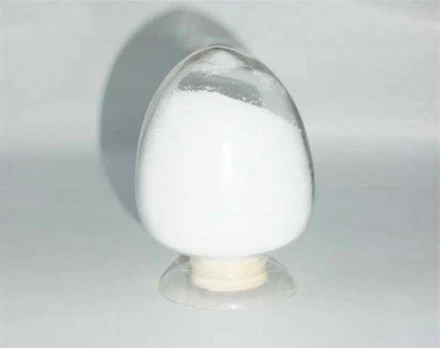
Resistant dextrin is processed from starch. It is a low-calorie glucan obtained by extracting and refining the indigestible components of baked dextrin with industrial technology. It belongs to low-molecular-weight water-soluble dietary fiber.
Resistant dextrin is made from wheat starch or corn starch, and the dextrinization process is closely controlled. In this process, the starch undergoes a certain degree of hydrolysis, followed by a repolymerization process. (You may also be interested in corn fiber)
It is the repolymerization process that converts starch into fiber by forming glycosidic bonds that cannot be cut by enzymes in the digestive tract and therefore indigestible, and resistant dextrin also prevents the cleavage of digestible connections.
The dextrinization is followed by a separation step, which ensures the best molecular weight distribution, stable and consistent rheological and technical properties, and appropriate fiber content.
The product will then undergo further refining steps, including the removal of monosaccharides so that the monosaccharide and disaccharide content of the dry matter is less than 0.5%, and finally spray drying. Therefore, although resistant dextrin is a glucan, it can still be considered as containing no sugar.
About 25% of its glycosidic bonds cannot be hydrolyzed by human digestive enzymes. Due to its fiber content, its analytical characteristics, and the physiological properties we will further describe below, resistant dextrin can be completely dissolved in cold water without causing an increase in viscosity.
For patients with diabetes, postoperative recovery, hypercholesterolemia and pregnant women, dietary fiber products represented by resistant dextrin have a good auxiliary therapeutic effect.
In addition to increasing the fiber content of food, resistant dextrin also has the characteristics of providing long-lasting calories, so maybe it has a potential effect on weight control. In addition to simply increasing the fiber content of food, resistant dextrin also helps delay the recurrence of hunger.
1. Can dietary fibers such as resistant dextrin be added to formula foods for special medical purposes?
We have seen dietary fiber in the optional component indicators of total nutritional formula foods for people aged 1-10. According to the definition, dietary fiber refers to the naturally occurring, extracted or synthesized carbohydrate polymer in plants, with a degree of polymerization of ≥3, which cannot be absorbed by the human small intestine and is of health significance to the human body.
Resistant dextrin is processed from starch. It is a low-calorie glucan obtained by extracting and refining the indigestible components of baked dextrin with industrial technology. It belongs to low-molecular-weight water-soluble dietary fiber.
Quoting the interpretation in the manual, if used in foods for special medical purposes, some raw materials with high dietary fiber can also increase the total dietary fiber content in such products such as wheat bran, oats, and resistant dextrin.
2. What are the testing standards for resistant dextrin?
Regarding the testing methods for dietary fiber, including resistant dextrin, the manual also has clear regulations. Therefore, if oligofructose and other substances are added to the formula, you can refer to the international authoritative testing method, or use the ingredient calculation method, etc., to accurately calculate or determine the dietary fiber content.
3. Are there any successful cases of using resistant dextrin as formula food for special medical purposes in the world?
Because it is a special group of people, due to the safety of consumers, a large number of application experiments have been done in this field to ensure the safety and effectiveness of the final product.
Resistant dextrin has low blood sugar response and long heat release time, which is beneficial to weight control. Resistant dextrin is heat-resistant and acid-resistant, easily soluble in liquids, and produces low viscosity.
It is good for intestinal health. Resistant dextrin has a high tolerated dose. In addition to simply strengthening the fiber content of the diet, it also has many health benefits.
You may also like allulose suppliers Saigaonutri's products: