In the whimsical realm of low-calorie sweeteners, a peculiar protagonist has emerged: allulose, a rare sugar with a penchant for drama. Its solubility, akin to a temperamental prima donna, has captivated the hearts of food engineers and formulation wizards. But what sorcery lies behind its dissolution dynamics? In this delightful exposé, we'll delve into the fascinating world of allulose solubility, demystifying its behavior, and perhaps, just perhaps, uncover the secrets behind this saccharine sensation.
In the realm of gut-friendly wonders, a saccharide sensation has been quietly making waves: isomalto. This enigmatic, dynamically-structured carbohydrate has been hiding in plain sight, waiting to unleash its prebiotic might. Prepare to be astounded by itsdemocratic digestion, nutritional virtuosity, and sheer versatility. Fasten your seatbelts, folks, as we embark on a thrilling adventure amidst the Prebiotic League!
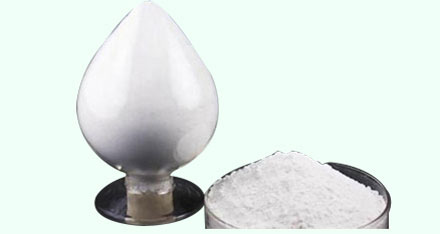
Xylitol (C5H12O5) is a five-carbon sugar alcohol and an intermediate product of xylose metabolism. It appears as white powdery crystals and is easily soluble in water. It is widely found in fruits, vegetables, cereals, fungi and other foods and It is a natural and healthy sweetener found in wood, straw, corncob and other plants.
Dietary fiber is composed of non-starch polysaccharides, lignin, resistant oligosaccharides and resistant starch. It mainly refers to polysaccharides that cannot be digested by digestive enzymes in the human intestine and cannot be absorbed and utilized by the body (i.e. non-starch polysaccharides etc.), they mainly come from plant cell walls and include lignin in plant cells.
Oligosaccharides are polymers composed of 2-10 monosaccharide molecules through glycosidic bonds, and have different names depending on the glycosidic bonds. Different functional oligosaccharides commonly seen on the market include: isomalt oligosaccharides (IMO),fructooligosaccharides (FOS), galacto-oligosaccharides (GOS), xylooligosaccharides (XOS), lactofructooligosaccharides (LACT), soy oligosaccharides (SOS), inulin, etc.,
The World Health Organization and the nutritional community of various countries have given unified recommendations on dietary fiber intake, that is, the daily intake per person is between 25g and 35g. Because consuming more than 25 grams of fiber per day is very beneficial to health and helps prevent cardiovascular disease, diabetes and a series of other health problems, but the daily intake of Chinese residents is far from meeting this requirement.
Erythritol is white crystal, slightly sweet, with a relative sweetness of 0.65 , a cooling sensation, and low caloric value, about one-tenth of the caloric value of sucrose. Due to low solubility, it is easy to crystallize. Used in organic synthesis and biochemical research.
We use cookies to optimise and personalise your experience, but you can choose to opt out of non-essential cookies.
To find out more, read our and Cookie Policy.