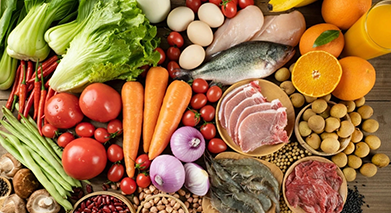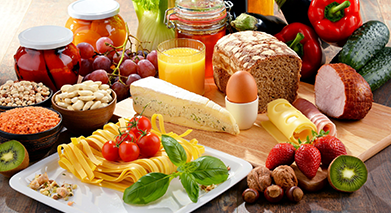
Food additives are an important factor in the modern food industry. They play an extremely important role in improving the color, aroma and taste of food, increasing food nutrition, improving food quality, improving processing conditions, preventing food from spoiling, and extending the shelf life of food.
Eyes are the most important sensory organ of human beings. When you stay up late to work, turn off the lights to play with your phone... and do other "eye-damaging" actions, there is a substance in your eyes that will have a protective mechanism, that is - lutein.
Research shows that maintaining a healthy gut is a viable way to improve your mood, which means that nutrition that helps digestive health can be an important factor in determining and enhancing mental health.
Obesity is a serious problem in modern society, and its prevalence continues to increase worldwide. Obesity not only increases the incidence of a series of metabolic diseases such as type 2 diabetes, cardiovascular disease, and chronic kidney disease, but also damages brain microglia and increases the risk of depression and anxiety.
Maltodextrin is also called water-soluble dextrin or enzymatic dextrin. It is made from various types of starch, which are hydrolyzed, converted, purified and dried by enzyme technology at a low degree.
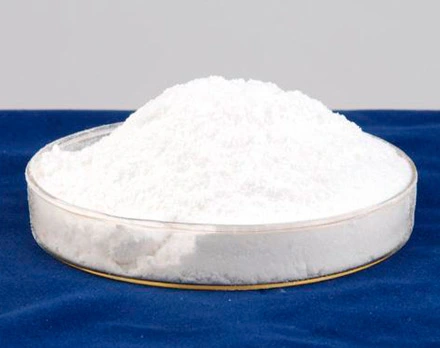
Resistant dextrin (also called indigestible dextrin) is a white slightly yellow powder with a slight sweet taste. It is easily soluble in cold water and insoluble in ethanol.
Nowadays, whole grains have become synonymous with healthy diet. The main component of whole grains is resistant starch. What is Resistant Starch? As the name suggests, it is a type of starch that is difficult to digest and is found in many foods such as green bananas, potatoes, sweet potatoes, rice, corn, beans, and whole grains.
We use cookies to optimise and personalise your experience, but you can choose to opt out of non-essential cookies.
To find out more, read our and Cookie Policy.