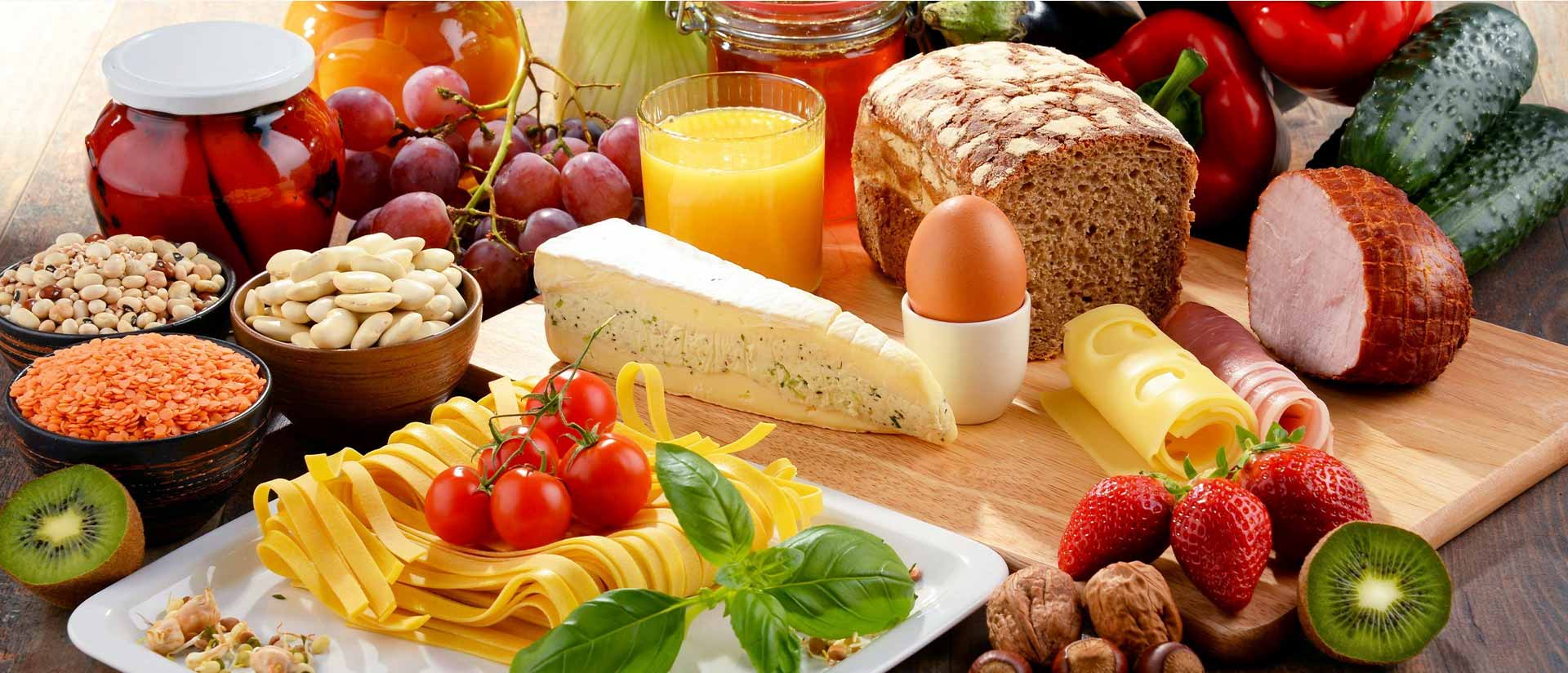
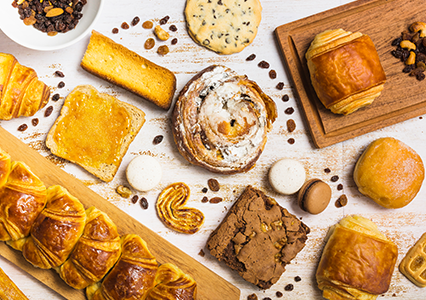
With the improvement of people's health awareness, changes in consumption structure and lifestyle, people's demand for clean label, ketogenic friendly, low sugar, plant-based, prebiotic, non-GMO, gluten-free and other healthy baking consumption, the baking industry itself is also continuously looking for breakthroughs and innovating raw materials and technologies. Functional baked foods are gradually becoming fast-moving consumer goods for residents to supplement nutrition, reduce diseases and enhance physical fitness.
1. High sugar and sucrose substitution
As sucrose substitutes, oligosaccharides and sugar alcohols such as sorbitol, maltitol, erythritol, xylitol, etc. are good choices.
L-arabinose, as a new type of sugar sweetener, has attracted widespread attention because it can selectively inhibit the sucrase that decomposes disaccharides, thereby reducing the absorption of sucrose and the formation of new fat. It has been reported in the literature that if 3% L-arabinose is added to the daily sucrose, the absorption of sucrose can be inhibited by about 60%, thereby controlling the increase in blood sugar.
D-allulose is a rare sugar that exists naturally in nature. Its sweetness and taste are very close to sucrose. In the field of food applications, allulose has the advantages of high sweetness, good solubility, low calories and low blood sugar response, and is considered to be one of the most ideal sucrose substitutes. Adding allulose to baked foods can not only improve its gelation, but also react with protein to improve its flavor through Maillard reaction.
2. High-fiber prebiotics
Most of the dietary fibers from plants are water-insoluble dietary fibers, such as soy fiber and oat fiber, which are prebiotics beneficial to intestinal flora.
Resistant dextrin has become one of the most popular soluble dietary fibers. In addition to the dietary fiber content of more than 90%, it also has the advantage of low calories. At present, resistant dextrin has been widely used in health products, beverages, baked foods, meal replacement foods, slimming products, and special dietary foods.
Polydextrose is a high-quality water-soluble dietary fiber that can promote gastrointestinal function, lower blood sugar and blood lipids, and is a food raw material with health functions. Polydextrose is relatively heat-resistant, has a refreshing taste, and makes food aroma easy to release. It is a good substitute for sugar and fat. It can delay starch aging, retain moisture, and provide good texture and taste. It is particularly suitable for processing low-sugar and low-fat baked foods. It should be used in baking foods in appropriate amounts according to production needs.
3. Gluten-free
A small number of people cannot digest gluten protein (gluten), which leads to allergic reactions such as celiac disease. Gluten-free food is food that is not processed with gluten-containing raw materials such as wheat, rye, and barley. The EU stipulates that the gluten content is ≤20 mg/kg.
Whole grains, buckwheat, oats, quinoa, almond flour, coconut flour, nut flour (chia seeds), fruit and vegetable flour (potato, cassava flour, chicory root flour, chickpea flour) can all be used as substitutes for flour. Since gluten-free baked goods do not contain gluten protein, polysaccharide colloids and proteins need to be added to improve the texture and make it have good viscoelasticity, including HPMC, CMC, protein powder, whey protein, inulin, xanthan gum, pectin, guar gum, locust bean gum, etc.
As China's baked food industry enters the "golden age" of high growth, healthy baked products have unprecedented development opportunities and will become the development trend of the baked food industry.